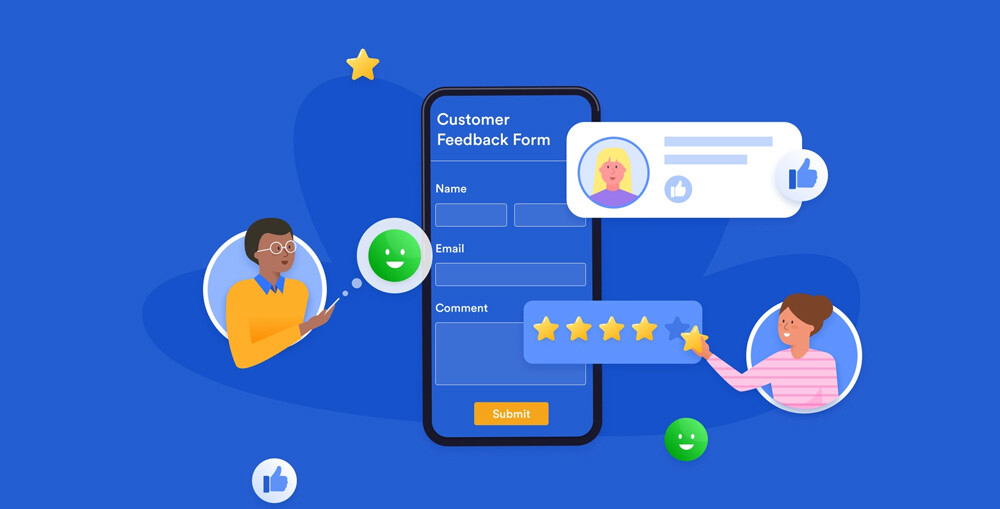
How to Use Customer Feedback Systems to Enhance Brand Loyalty

In today’s competitive market landscape, businesses can’t rely on one way communication, they need to build channels to enable their customers and audience to share their expressions and thoughts about the brand. The information gathered from the customers or targeted audience is called the customer feedback. A customer feedback system is a combination of tools and processes that businesses put in place to collect customer feedback data in a systematic way to be able to produce actionable insights from this data. The customer feedback can be anything that your customer says about you, it could be a product review, their opinion about their experience with your brand, their feelings, suggestions and even criticism. Today the world is more connected than ever before, with the rise of digital channels, social media, smartphones, and online, businesses can gather feedback from a variety of channels.

A customer feedback system is a mechanism businesses use to collect, analyze and act upon what their customers say, think or feel about their brand. Hence the brand loyalty and the customer feedback is deeply connected. In fact if done right, the customer feedback system could be a single most potent tool to drive brand loyalty and build and nurture long-lasting relationship with your customer base. Businesses operating in Dubai, Abu Dhabi, Sharjah and other regions of UAE know how complex this market could be. That is why businesses in UAE are eager to find a dynamic and flexible solution that can solve their customer feedback management challenges. A customized customer feedback system with advanced analytical tools and automation can effectively solve many challenges. In this blog we will discuss how businesses can use a customer feedback system to enhance brand loyalty and elevate satisfaction.

See Also: Why Your Business Needs a Customer Feedback System?

How to Use Customer Feedback Systems to Enhance Brand Loyalty

How to Use Customer Feedback Systems to Enhance Brand Loyalty

Why Customer Feedback System is Crucial for Brand Loyalty?

The customer feedback system not only help gathering crucial information about customer sentiments but it also provide customers a platform to express their feeling about your brand. Businesses can gather valuable business intelligence data from customer feedback system and then leveraging that data to further align with customer needs, demands, expectations and sentiments. Listening builds trust! Listening and responding to customers, bridge the communication gap, let them feel valued and special which make them loyal. When a customer knows that if they will have any concern they can always reach out to their favorite brand and the business will not only listen to them but it will respond to their thoughts, suggestion and feedbacks, they feel more connected and this sentiment drives loyalty. When a business respond promptly the customers tend to remain loyal even if they have a bad experience.

The brand loyalty help businesses build a strong and reliable foundation which help them to grow and succeed in long term. Because the loyal customers:

  • Do repeated businesses
  • Tend to be more forgiving for business’s mistakes and short comings
  • Tend to be good brand advocate and recommend your brand to others
  • More likely to try new products and innovative features that you might offer
  • Tend to be more tolerant towards price rises
  • Tend to be more profitable than the new buyers

The single most crucial advantage of customer loyalty is the customer retention because acquiring a new customers is many times more expensive then selling to an existing customer. Studies have shown that acquiring a new customers can be up to 25 times more expensive than selling to an existing customer. The customer retention depends on your relationship with your customers, and this relationship depends on communication. The customer feedback system provide intuitive and accessible channels to customers to express their thoughts, feelings and sentiments, which makes it an integral part of loyalty programs. Utilizing customer feedback system can offer a great competitive advantage with right tools and strategy in place, business can easily outperform others even a much bigger competitor as well.

See Also: The Role of Customer Feedback Systems in Improving Business Performance

Why Customer Feedback System is Crucial for Brand Loyalty?

Why Customer Feedback System is Crucial for Brand Loyalty?

Building Right Customer Feedback Management Strategy to Promote Brand Loyalty

Businesses often mistaken a customer feedback system as a diagnostic tool, whose purpose is to collect the data, identify the problem and then fix it in hope of better customer satisfaction. However, the true power of customer feedback system relies in building trust and strengthening relationship with the customers. Thus businesses need to build a right customer feedback management strategy if they truly want to raise brand loyalty in long term. Businesses should leverage a customer feedback system as a platform to align with their customer base, build trust, make improvements and evolve according to customers’ expectations. Thus utilizing a customer feedback system to strengthen the customer relationship by gathering customer opinion in the most convenient way and then responding to their feedback and aligning your products/services with customers’ expectations will drive true brand loyalty.

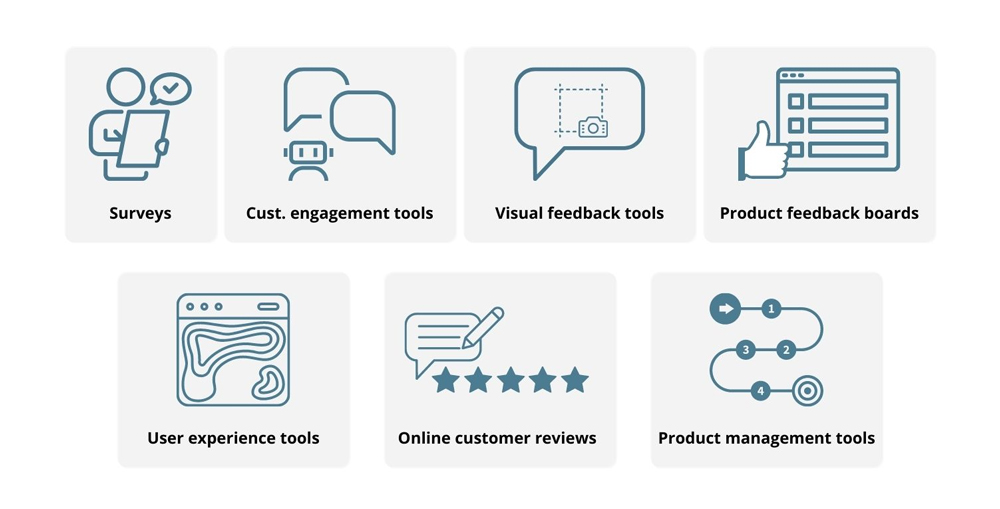
That begins with building the right feedback strategy, for example, what questions you should ask, when you should ask and to whom you should ask will determine the success of your customer feedback campaigns. Not all feedback systems are same, here are a few most common customer feedback systems types:

  1. Feedback Surveys
  2. In-App (or in-website) Feedback Tools
    • Like/Dislike or Thumbs Up/Down
    • Five Star Rating or Rating Scale
    • In-App Feedback / In-website Comments
  3. Email Based Feedbacks/Surveys
    • Post-Purchase Feedbacks
    • Support Ticket Closure Feedbacks
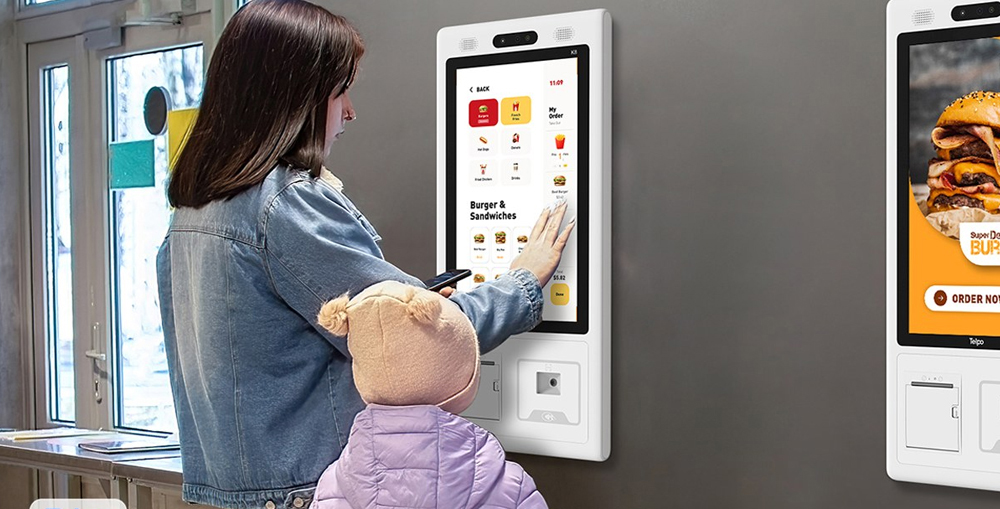
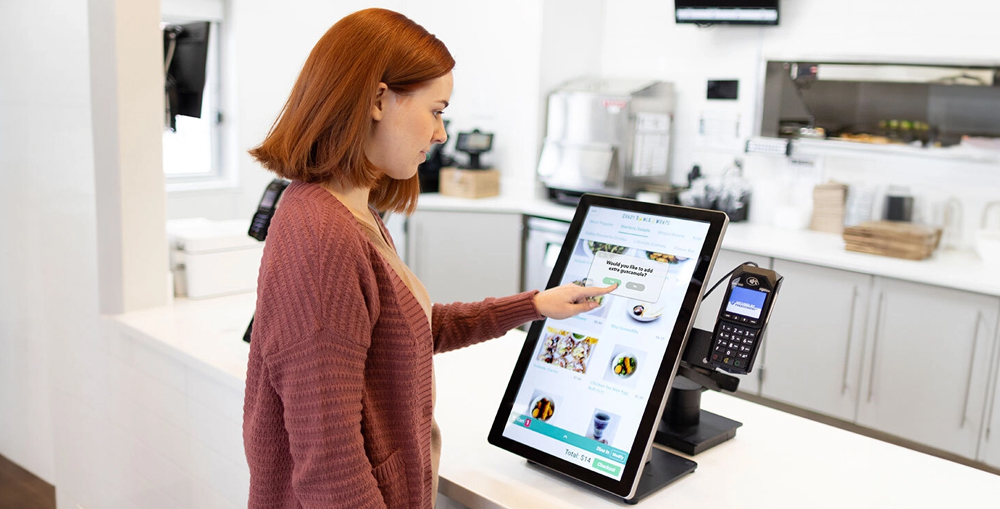
  4. Touchscreen or Interactive Kiosks
    • On-Premises Customer Happiness Meter (Smiley Faces)
  5. Social Listening & Online Reviews
    • Monitoring Feedbacks Online
  6. One-to-One Interviews – Focus Groups/Customers
    • In-depth Feedback Sessions or Interviews with Selective Customers

Each customer feedback type has its own strengths and weaknesses. A well-balanced feedback management strategy should have multiple channels where the customers can easily provide their feedback or share their opinions. Mapping out all these channels is also important to segregate and later analyze the feedback data. Furthermore a good feedback management strategy not only focus on collecting customer feedback, but it also includes the methods of analysis, advanced analytical tools, methods to close the feedback loop and action strategy.

See Also: How to Use Customer Feedback Systems to Drive Innovation
Building Right Customer Feedback Management Strategy to Promote Brand Loyalty

Building Right Customer Feedback Management Strategy to Promote Brand Loyalty

Customer Feedback System Integrates Multiple Feedback Collection Channels

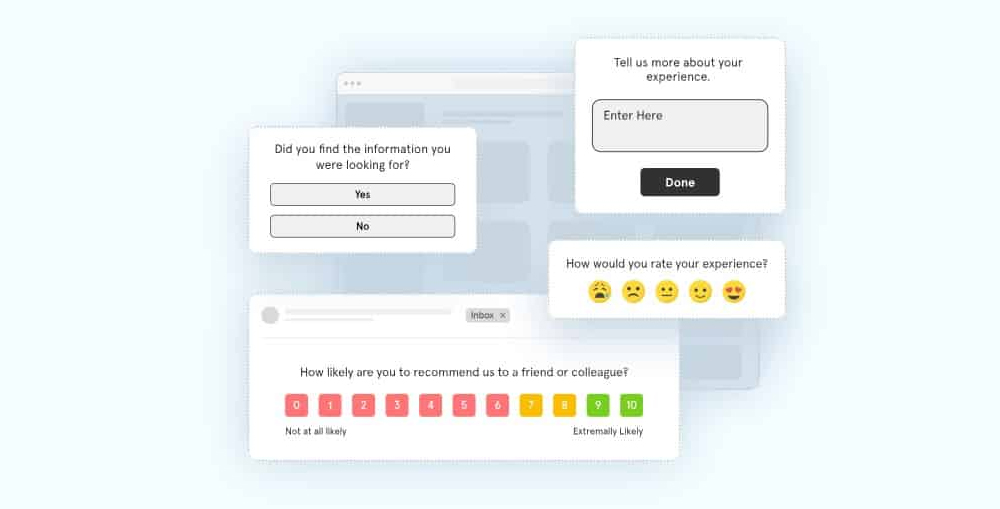
Improving brand loyalty require in-depth insights and business intelligence data, this can’t be achieved from one method this businesses should leverage multiple feedback channels. Easy options like email surveys, website feedback widgets, in-app rating, social media polls, and on-premises touchscreens or interactive kiosks are the most ideal tools to collect customer feedback data. Every customer has different preference, some would love to share their opinion via lengthy email feedback forms, and some prefer in-app ratings and some might share their experience at on-premises interactive touch screens or kiosks. Utilizing multiple channel will make your database diverse, more accurate and enable you to capture more in-depth details. There are two most crucial aspect of collecting customer feedback, one is when you are collecting it, the time and what you are asking, the questions.

Some feedback channels allow instant feedback right after a customer interact with the brand. For example, after sales email, SMS, WhatsApp or on-premises touch screens. Regular surveys for existing customers to keep them connected with the brand and keep on learning about their experience. Similarly what question you are asking will determine the data quality, relevance and even quantity. Most of the time too long survey forms, confusing questions and irrelevant questions repel customers, and they won’t respond. Businesses often overlooked the social media as they are very hard to scan and the feedbacks are also coming in bulk. For that businesses can adopt AI (artificial intelligence) based data analysis tools which can read, interpret and understand comments. The advanced analytical tools also help generating in-depth sentiment analysis reports which can be very useful in producing actionable insights.

See Also: 7 Benefits of Customer Feedback System

Customer Feedback System Integrates Multiple Feedback Collection Channels

Customer Feedback System Integrates Multiple Feedback Collection Channels

How to Create an Effective Feedback Survey Questionnaire?

Here are some quick tips to create good questionnaires:

  • Keep it short: Although it depends on the survey type, but 4 to 6 questions are ideal
  • Avoid Jargon: Be very clear and specific, use plain language and avoid technical terms
  • Mixed Questions: It is always better to use multiple questions types and keep room for text
  • Ask “Why”: Whenever is possible ask the “Why” questions, for example, why you rate it good
  • Minimize Leading Questions: It is better to avoid leading or loaded questions unless necessary
  • Leverage Branching Logic: Whenever conducting surveys, allow customers to skip irrelevant parts
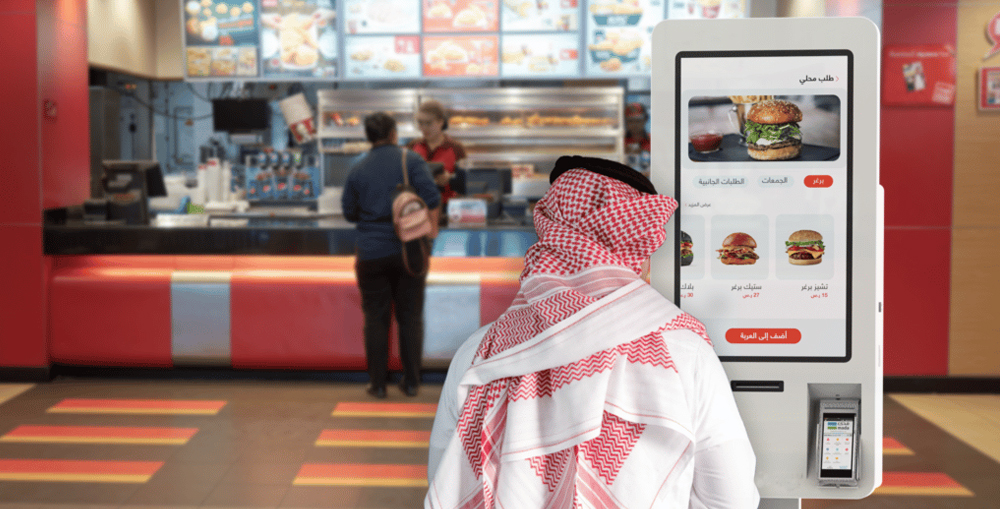
  • Multi-lingual Support: It is excellent to offer multi-lingual questions, especially in country like UAE where all major cities such as Dubai, Sharjah, Abu Dhabi, etc. have large expat population

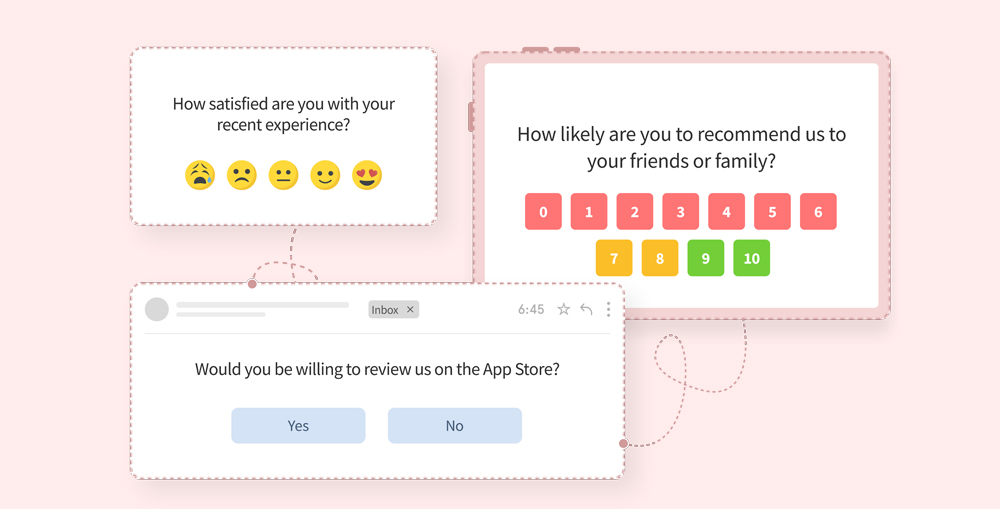
Regardless of the survey type – the above are some key points that will improve your questionnaires and will help you raise the conversion rate. Furthermore it is also important to consider the channel that you are using to push the survey. For example, the touchscreen based surveys are designed with a UI that is optimized for the touch screens and online or QR Code based survey designs are optimized for different screen sizes and so on. Here is a simple example of questionnaire:

  1. Question 1 – The NPS Rating: On a scale 0 to 10, how likely are you to recommend our product/service to your friends and family?
  2. Question 2 – The “Why”: Why did you rate us [rating score] that score?
  3. Question 3 – The Satisfaction or CSAT: How satisfied are you with your recent interaction at our service center?
  4. Question 4 – Open-ended/Textual Feedback: What is one thing you would like us to improve?
  5. Question 5 – Positive Feedback: What did you liked the most about our product [product name]?

This is the most effective and simplest form of questionnaire that business can use to get high-quality qualitative data. The important thing is to provide at least one place where the customers can express themselves freely. The textual feedbacks often highlight the very critical points which the feedback managers overlooked or missed out in their questionnaires. An effective feedback campaign can help businesses cultivate loyalty and understand what customers think and feel about their brand.

See Also: 11 Customer Feedback Examples for Business Success
How to Create an Effective Feedback Survey Questionnaire?

How to Create an Effective Feedback Survey Questionnaire?

Creating an effective customer feedback survey is not only about asking the right question, but it is also crucial to choose the right timing. Here are some examples of good timing to ask for the feedback:

  1. At the Time of Purchase of Delivery: Immediately asking for feedback after the customer made a purchase or received your product/service. This time is perfect as the experience is still very fresh.
  2. Immediately After a Support Interaction: Again, asking for feedback immediately after a support call or chat is concluded or a customer has finished at the service center will provide most accurate feedback data, because the experience would be very fresh.
  3. After-Sale or Post Onboarding: Another ideal time to ask for the customer feedback is after some time of the sale. This will give customer enough time to use your product/service and they will be in a position to share more details and insights.
  4. After Update, Renewal or Second Purchase: Right after when you upgrade your product/service or add more features or a customer renewed their agreement or repurchased a product is a very good time to capture customers’ feeling and sentiments.
  5. Periodic Feedbacks: Asking customers for feedback after a fixed interval or period such as quarterly or biannual or annual will give them a sense of connection. This will not only help you capture valuable information and recommendation but it will also strengthen your relationship.

While it is important to choose a right time to ask for the feedback there are certain instances when you should avoid requesting for the feedbacks. For example, while the customer is in between the journey or busy in something else or before a transaction is complete. Moreover during the holidays or at weekends when the customer is distracted they tend to ignore such requests. Too many feedback requests will overwhelm the customers and either the customer will ignore it or will do it quickly to avoid follow ups which will undermine the quality of the feedback data.

See Also: How to Collect HR Customer Feedback?

Design a Questionnaire utilizing Multiple Matrices instead of Only One

Design a Questionnaire utilizing Multiple Matrices instead of Only One

Analyzing Customer Feedback Data Correctly to Enhance Brand Loyalty

Businesses often spend more efforts and energy on focusing on collecting the customer feedback data from multiple channels but undermine the importance of analysis. Collecting the customer feedback data is just first step, the next and equally important step is to store the data, segregate it and analyze it will correct analysis techniques. Once the analysis is done only then business can produce the actionable insights which will highlight their strengths and weaknesses or identify changes in the patterns. For example, classifying the feedback data into three categories such as “customer services”, “product features”, “technical support” or “service interaction” etc. This will help spotting the change in patterns in any said aspect of the customer journey. Any small problem highlighted by many customers can become a big issue in future, hence businesses can easily identify and rectify problems.

Segmenting and classifying the feedbacks will help unveiling more in-depth insights. Businesses can use various categories such as:

  • Customer Type: New vs. returning customers
  • Regions: By region or geographical stand point
  • Product/Service Type: Feedback should be segregated properly
  • By Usage Frequency: How frequent the customer is using a specific product/service
  • By Demographics: Segregate by age groups, genders, etc.
  • Feedback Type: Separate all feedbacks such as Positive, Negative, Promoter, Detractor, etc.
  • Feedback Channel: Every channels should be analyzed individual and then collectively

Furthermore the modern customer feedback systems comes with a powerful software engine and AI-based advanced analytical tools, which make this analysis way more simpler, accurate and quicker. Furthermore businesses always have their own priorities, situation and unique conditions. Hence the feedback data can be classified in several categories such as the two major categories are, the structured and non-structured data. The structured data is majorly quantifiable and can be measured against numeric value and produce very intuitive visual and graphical reports. However, the non-structured data is majorly the textual feedback, the feedback from call centers or in some cases the social listening. The voice of customer consists of multiple data sets hence should be analyzed separately for better results. The AI features such as LLM, NLP/NLU offers greater tools for advanced analysis and customized reports.

See Also: Importance of Customer Feedback Tool for Small Business Owners

Analyzing Customer Feedback Data Correctly to Enhance Brand Loyalty

Analyzing Customer Feedback Data Correctly to Enhance Brand Loyalty

Enhancing Brand Loyalty by Acting on Feedback and Closing the Feedback Loop

Creating excellent questionnaires, storing and analyzing feedback data with great care is only to produce insights that highlight actions. The customer feedback software offers tons of automation, saving huge amount of time and human resource. Furthermore these software tools also provide advanced analytical methods and help businesses produce actionable reports. Although taking right actions to make improvement seems like the bottom line, but there is one more very important aspect which businesses mostly neglect, and that is closing the feedback loop. Here is what closing the loop means:

  1. Thanking customer for submitting the feedback.
  2. Acknowledgement of the issue highlighted by the customer.
  3. Explaining any action or fixes or changes that will rectify the highlighted issue.
  4. Following up later when the issue is actually resolved or an action has been taken.

This step help businesses connecting with their customers. When the business act more responsive and caring the customers feel more connected to it which ultimately drive brand loyalty. If they don’t see right communication, or any efforts are made, they will feel ignored. This sentiment can have huge impact on customer loyalty.

Another important thing to consider is that, not all feedbacks can be acted upon. Hence businesses should have a right mechanisms to identify the nature and urgency of the feedbacks and specifically the highlighted issues in the feedback. It is important to choose the actions one by one with great care by prioritizing the most reported issues, and issues that can have huge impact on the customer experience.

See Also: How to Calculate NPS (Net Promoter Score) in Customer Feedback System
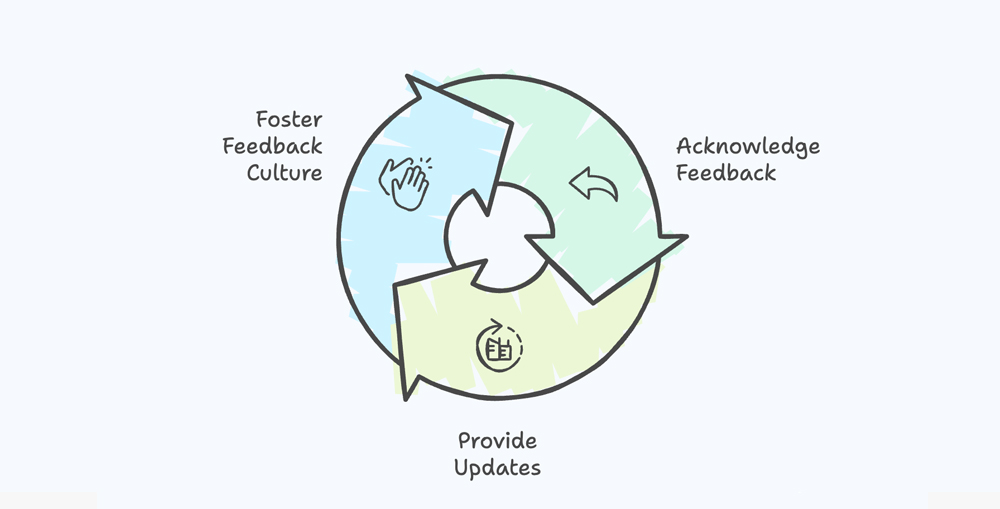
Enhancing Brand Loyalty by Acting on Feedback and Closing the Feedback Loop

Enhancing Brand Loyalty by Acting on Feedback and Closing the Feedback Loop

Some issues or problems require urgent attentions and some can be delayed or can’t be done immediately. For example, a new payment process should be fixed immediately as it will directly impact the sales, however, limited capacity of the customer service center cannot be fixed immediately.

Here are some steps to efficiently close the feedback loop:

  1. Prioritize by Urgency: Critical complaints should immediately addressed and forwarded to fast-track response teams
  2. Assign Feedback Owners: Immediately or automatically assign owners of the feedback, it means who is responsible for handling that specific area highlighted in the feedback
  3. Respond to Customers: Always use personalized responses, and explain customers that what actions can be and will be taken to resolve the reported problem
  4. Internal Communication: It is crucial to circulate the feedback or report internally with all stakeholders and responsible management teams
  5. Plan & Implement Changes: Onboarding all relevant stakeholders and key players, make a plan and execute it to implement the improvements
  6. Follow Up with Customer: Once the actions are taken and changes are done, follow up with the same customers who reported them and ask them how they see the improvements

This should be a core business processes if businesses want to utilize the customer feedback system to enhance the brand loyalty. After identifying an issue, it is important to form a team or assign a staff to fix it and monitor the progress. Another most crucial aspect is that businesses should proactively eliminate information silos and share the feedback or the issue highlighted in the feedback from relevant stakeholders to management and from engineering teams to marketing teams, so everyone know what customers are liking or disliking. Closing a feedback loop will turn every feedback into a positive change and instead of repelling your customers it will strengthen your relationship with the customers and help you enhance brand loyalty in long term.

See Also: Importance of Customer Feedback System in Public Sector UAE
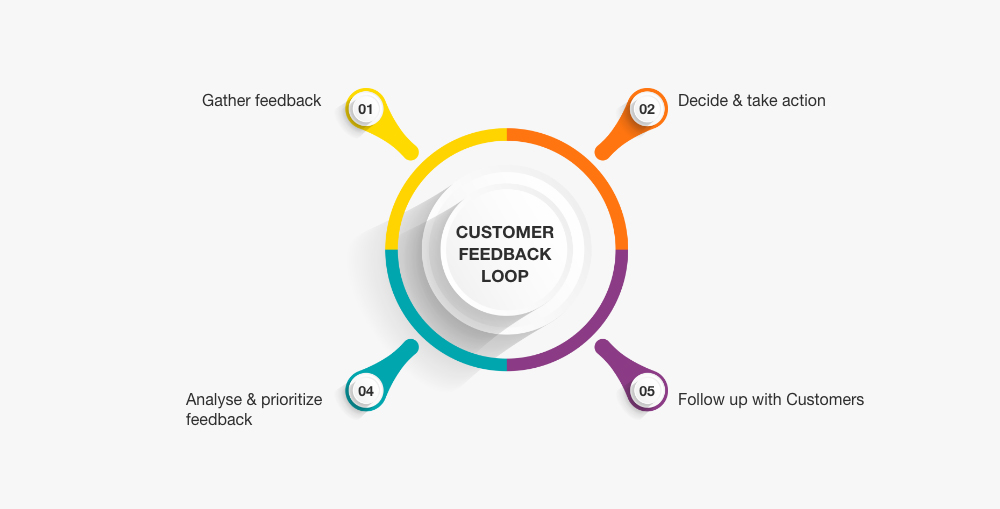
Closing a feedback loop will turn every feedback into a positive change

Closing a feedback loop will turn every feedback into a positive change

Integrating Customer Feedback Data with Other Systems and Business Tools

Leveraging customer feedback wisely will help businesses aligning their products/services and customer experience with customers’ sentiment, feelings and desires. Businesses can leverage the customer feedback data to further personalize customer interactions and communication which help enhancing brand loyalty and nurture customer relationship. The customer feedback data doesn’t only help identifying problems but it also help making positive changes in each and every aspect. In this modern data-driven world, businesses need a seamless flow of information across all teams to ensure everyone stays aligned and informed. Hence integrating customer feedback system with other data dashboards and business management tools can offer great advantage. For example:

  • ERP: The ERP or Enterprise Resource Planning platform is basically the heart of the digital layer of any business or organizations. Integrating feedback system with ERP can offer great edge.
  • Accounts: Integrating customer feedback system with the accounts and sales management system will help looking at feedback data from a different angle.
  • CRM: Connecting customer feedback system with the CRM or Customer Relationship Management software is a must to have integration to understand feedback from customer lifecycle, profile and various other crucial aspects.
  • Online Channels: The customer feedback system should be integrated with online channels such as websites, mobile apps, email gateways, WhatsApp, SMS, etc.
  • AI & Machine Learning: The AI and Machine Learning are the most modern technological tools, and the AI can offer great features when implemented and integrated correctly with a customer feedback system.

See Also: Patient Satisfaction Survey with Feedback System
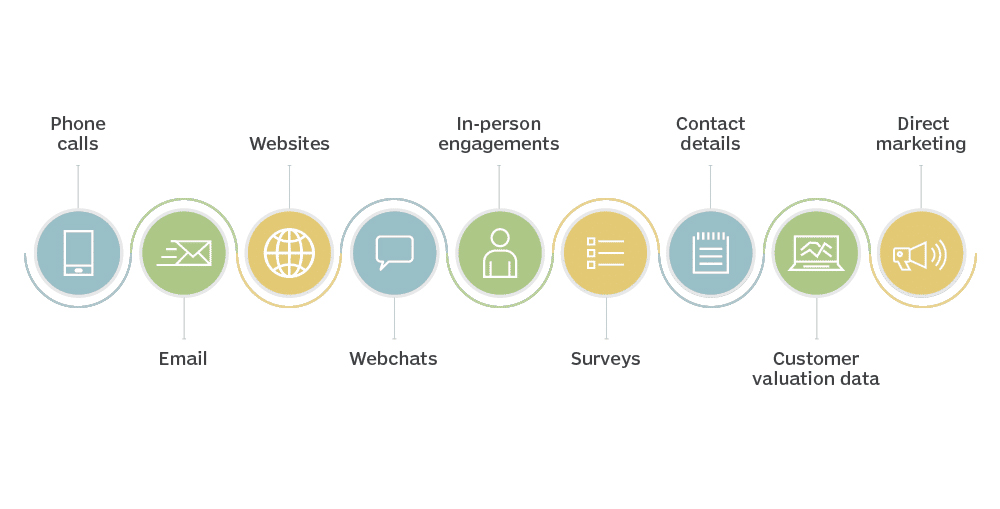
Integrating Customer Feedback Data with Other Systems and Business Tools

Integrating Customer Feedback Data with Other Systems and Business Tools

Integrating a customer feedback system with other business tools and systems doesn’t only offer data synchronization but it can also offer great automation tools. Businesses can connect and synchronize these systems together to drive automation which not only improve the efficiency of the customer feedback system but also help saving a lot of human resource. Here are some examples of workflow automation:

  1. The system can trigger survey requests automatically when an event happens, such as a new sales is made, or a new customer is registered, or a support ticket is closed, etc.
  2. The customer feedback system can automatically personalize the response to the customers and send them through any preferred channel
  3. The customer feedback system can automatically identify the class or category of the feedback data and send it to the relevant team, manager or across multiple teams to take swift action
  4. The customer feedback system can automatically update several data dashboards which help the management and business leaders to get real-time live updates and information
  5. The customer feedback system can automatically alert management, branch managers, or relevant teams if it sense any change in trend or if the negative trend reaches a threshold, etc.

The customer feedback systems comes with a server-side software application. Which can easily be integrated with the internal business tools, ERPs, CRMs, or any other solution or database via simple and secure API integration method. This integration allow customer feedback system to fetch data and additional information from other host systems. This information help improving the quality of the reports and actionable insights and help management understand the feedback data in a much broader context.

See Also: The Ultimate Guide to Execute a Customer Feedback Campaign
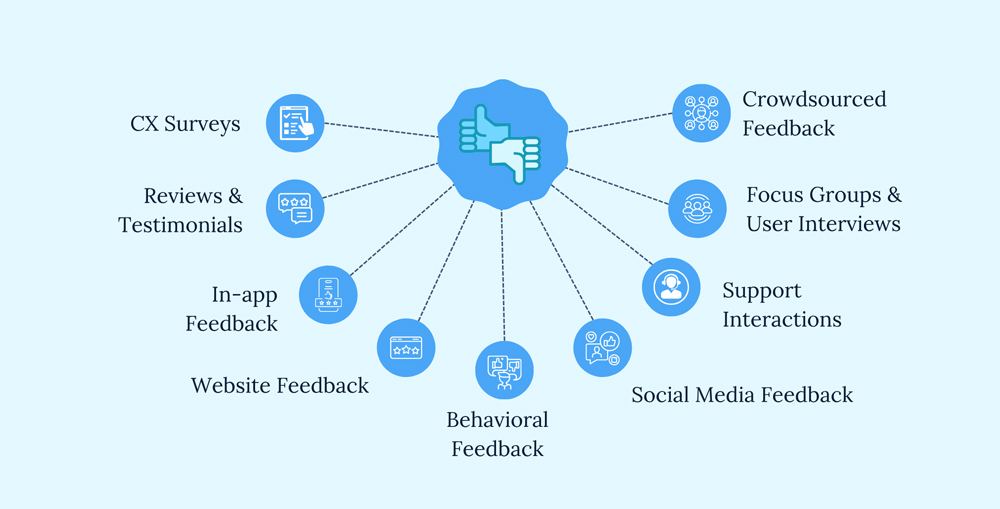
This integration allow customer feedback system to fetch data and additional information from other host systems

This integration allow customer feedback system to fetch data and additional information from other host systems

Conclusion

The brand loyalty is not something that you can improve over the night, in fact it is a long term process. Businesses always emphasize on brand loyalty as it not only indicates that your customers are happy and satisfied but it also help optimizing cost. Selling to an existing customer is easier as your customer is well-verse with your brand and knows your business very well. However, selling first time to a new customer requires a lengthy and expensive process involving brand awareness, marketing, and several other costs. When it comes to leveraging customer feedback system for the brand loyalty, it is important to understand that the loyalty is driven by customer happiness, and satisfaction. As the technology has evolved a lot over the past decades, so does the customer feedback systems.

A simple feedback form or customer interview will not do the job now. Businesses need a highly efficient data collection and analysis tools to be successful in their customer feedback campaign. The first step is to choose a right customer feedback system which offers in-built data collection and analysis tools. A modern customer feedback system offers several advance features, such as multi-channel data collection, advanced analytical and customized data dashboards to extract actionable insights. The survey questionnaire and timing plays a crucial role in ensuring good quality data. Businesses should leverage the automation tools to automate internal workflows to save cost and human resource. After collecting the feedback data, segregating it and then channeling to all relevant teams and stakeholders is crucial.

Moreover closing the feedback loop will help businesses strengthen their relationship with their customer which help driving the brand loyalty. The actions taken in response of feedback help aligning your products/services and business processes to ensure higher customer satisfaction which build trust and drive brand loyalty. In this blog we have discussed, how a customer feedback system can streamline modern feedback management processes and help business drive higher brand loyalty. If you want to learn more about the subject or if you want our help to design and implement a customized customer feedback system for your business or organization, please feel free to contact us through our Contact Us page or leave a comment in the comment box below and we will get in touch with you soon.

See Also: How to Get Feedback from Customers in a Restaurant

See Also: Importance of Customer Feedback Collection for Beauty Salons

See Also: How to Enhance Customer Experience with Customer Feedback Surveys?
Posted in AI (Artificial Intelligence), Customer Feedback System, Customer Feedback Tool | Tagged , , , , , , , , , , , , , , , , , , , , , , , , , , , , , , , , , , , , , | Leave a comment

The Benefits of Custom Exhibition Stand Kiosks for Industry-Specific Events

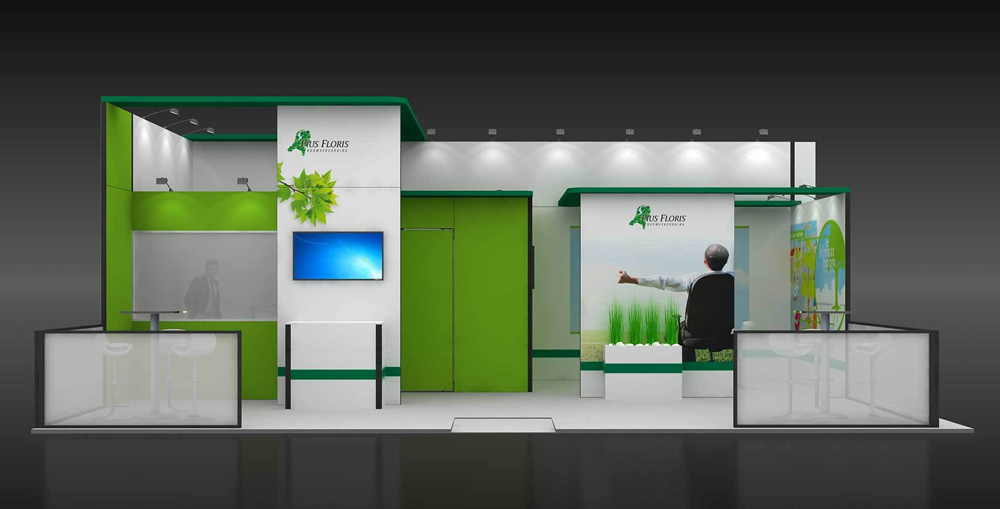
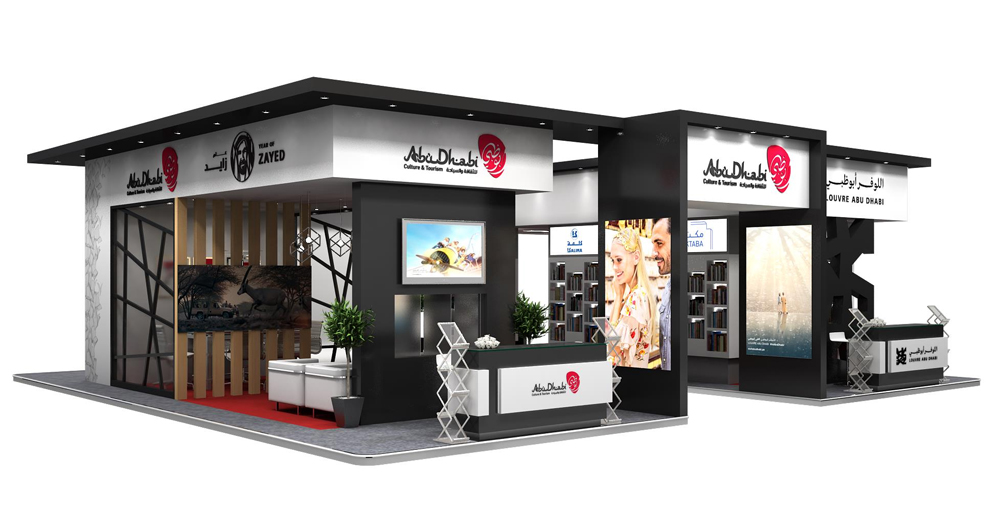
In this technology-driven world, when a business decides to showcase their products and services in a trade show, exhibitions, or industry-specific events, the aesthetics and visuals matters the most. From a visitors stand point, they are seeing hundreds of exhibition stand kiosks and booths, which means the exhibitor should have to make a tough decision of either going with the flow and go for a modular approach or take an out of the box approach and go for a customized exhibition stand kiosk. The customized exhibition kiosks and booths doesn’t just eye-catchy, but they offer a great strategic advantage. Especially in industry-specific events, where the audience is more concentrated to a closed niche and rest of the exhibitors are also targeting the same category. Every industry has certain norms and traditions, hence it is very useful to leverage those for your exhibition and presentation.

There are several aspects that every exhibitor should have to address effectively in order to stand out of the crowd. Such as personalized branding, functionality, visitors’ journey and experience, and alignment with the event theme. Every event of exhibition has a certain theme, thus aligning with that is also important, furthermore businesses often fail to adopt to an effective branding using modular exhibition stand kiosks and booths. Branding is crucial for brand recall, the functionality and visitor experience will help achieving your strategic goals and objectives. When these three elements are done correctly, the visitor leave with a memorable experience, making your participation worthwhile. In this blog we will discuss the benefits of custom exhibition stand kiosks and booths and how business can leverage them to maximize the impact and ROI of their participation.

The Benefits of Custom Exhibition Stand Kiosks for Industry-Specific Events

The Benefits of Custom Exhibition Stand Kiosks for Industry-Specific Events

The Key Benefits of Custom Exhibition Stand Kiosk for Industry-Specific Events

Before we start exploring the key benefits of a custom exhibition stand kiosk or booth for industry-specific events and exhibitions, it is important to learn the difference between the custom and modular exhibition stand designing process. The fundamental difference between the two is that the custom exhibition stand kiosk or booth is built from scratch and it is fully tailor-made for the business requirements and nature of the event they are participating in. However, the prefabricated or modular exhibition stand kiosks and booths are semi-done or pre-build in parts, called modules, businesses can choose from a variety of pre-fabricated sections or parts to quickly build their exhibition stand kiosk.

The UAE is among the most vibrant and business friendly country in the world. Businesses from all around the world are participating in hundreds of exhibitions and events held in Dubai, Sharjah, Abu Dhabi and other regions of UAE. There are some of the world’s largest events and exhibition hosted in the country every year along with countless many throughout the year. Hence exhibiting in such events is very common for local businesses as well as the companies and enterprises from all around the world. In such bustling venues businesses have just a few seconds to grab the attention of passing by visitors. When there are no competitors, a simple booth could be enough but in industry-specific events, you must have to have an exceptional design and excellent visitor management strategy to stand out.

See Also: How Exhibition Booth Designing Work in Dubai?

The Key Benefits of Custom Exhibition Stand Kiosk for Industry-Specific Events

The Key Benefits of Custom Exhibition Stand Kiosk for Industry-Specific Events

The biggest advantage of a custom exhibition stand kiosk is the freedom to tailor each and every aspect of your design. Whether it is branding element, visual & graphical aspects, functional aspects or the visitor flow, you can control and customize every part of your booth with this approach. Here are some key benefits of a custom exhibition stand kiosk from industry-specific events’ stand point:

  1. Standing Out from the Crowd: A customized exhibition stand kiosk design allow you to express your brand in a very unique and unified way such as customized colors, design elements, shapes, fonts, signage, displays, logo, interactive components, digital branding, etc. This help you stand out from the crowd in an industry-specific event where most of the other businesses belong to your industry sector and are presenting similar kind of products and services.
  2. Effective Brand Messaging: The custom exhibition stand kiosks enforce brand messaging. For example, if you belong to medical sector, you can overlay the look and feel of a medical facility such as clean design, white spaces, signage, etc. And if you are from a tech industry you can opt for sleek materials, digital components, LED lighting, signage displays and modern technologies such as holographic displays, interactive and immersive experiences, etc.
  3. Tailoring to Your Industry-Specific Needs: Every industry has different marketing strategy and some exclusive and very specific needs and the custom exhibition stand kiosk will enable to you meet those needs. For example, in automotive industry you might need elevated platforms, or presentation of automotive parts. Similarly for tech or IT industry you might be needing a lot of digital displays, demos, signage, etc. thus complex cable and power management is necessary.
  4. Compliance & Industry Protocols: Some industries have very specific needs and protocols, and strict compliance polices. For example, the food industry requires special safety requirements, certain design limitation, requirement for fire-retardant materials, electrical codes and protocols, higher hygiene standards, and in some cases certain certification is also necessary for the exhibitors. This can only be achieved with a custom exhibition stand kiosk.
  5. Guided Flow and Visitor Journey: In order to achieve higher conversion rate and lead generation business should be able to control the customer flow and customer journey. For example, welcome area for intro, then demo areas, then consultation corners, and at the end lead capturing section, etc. Thus unlike module or pre-fabricated designs the custom exhibition stand kiosk offer full control over visitor flow and journey, which tend to result in higher leads and conversions.
  6. Immersive Visitor Experience: In this modern world, whether you are from the tech sector or not the technology plays a crucial role in capturing customers’ interest. Same is applicable in exhibitions and tradeshows. Regardless of industry, you can always utilize the immersive technologies to deliver memorable visitor experience. With custom exhibition stand kiosk you have more freedom to leverage interactive kiosks, digital signage, AR/VR, product demo stations, etc.
  7. Attract More Visitors: With customized branding, eye-catchy design elements, prominent graphics and visuals, and easy to approach design, you can easily attract more visitors and gain a competitive edge at any industry-specific event or exhibition. Standing out from the crowd is crucial but planning seamless visitor flow through your exhibition stand kiosk is also crucial. This is why the custom exhibition stand kiosks tend to attract more visitors than modular designs.
  8. Quality Lead Generation: In exhibition and tradeshows the biggest problem is to generate quality leads. Businesses might end up capturing a lot of leads but most of them never qualified. A custom exhibition stand kiosk help you position your brand clearly, convey clear brand massaging through design and clearly communicate what you do. This way you only attract the visitors who are genuinely interested in your products/services and have higher potential for conversion.
  9. Long-Term Value and ROI: The custom exhibition kiosks might look expensive due to higher upfront cost. But if you are a regular exhibitor or if you are planning to reuse them in future, they can offer much higher ROI. Even if you are participating for the first time, the custom exhibition stand kiosks tend to offer much higher conversion rate and are proven to leave lasting impression on the visitors, which maximize their return and value over long-term.
  10. Streamlined Transport and Setup: Since the custom exhibition stand kiosk is designed from the scratch, hence planning transportation, packaging and handling everything can be planned beforehand to ensure the parts packed neatly, transport securely and assemble easily. The installation and setup is much simpler and reduce complexity in fixing different parts, as they are already designed for the specific spot. This also makes disassembly easier and quicker.

A custom exhibition stand kiosk not only help presenting brand more effectively but it also help attracting qualified leads. More qualified leads mean more business and higher ROI. Furthermore a custom exhibition stand kiosk also offers more engaging visitor experience with a better competitive advantage and it show professionalism. Another great advantage of a custom exhibition stand kiosk is the ability to choose the materials for your booth. You can choose the best materials in terms of quality, finishing and cost. Businesses are also free to choose the supplier of their choice who meet their budget and support with their deadlines. This proves that the custom exhibition stand kiosk are more effective, reliable and impactful comparing to modular or pre-fabricated exhibition booths.

See Also: How to Choose the Right Materials for Your Exhibition Stand

A custom exhibition stand kiosk not only help presenting brand more effectively but it also help attracting qualified leads

A custom exhibition stand kiosk not only help presenting brand more effectively but it also help attracting qualified leads

Conclusion

UAE is a home to some of the world’s largest exhibitions, tradeshows and events. Businesses operating in Dubai, Sharjah, Abu Dhabi and other parts of UAE actively participate in those events, and these exhibitions attract millions of visitors and countless businesses from all around the world who are targeting local markets, African regions and broader GCC regions. That is why exhibitions, tradeshows and events in UAE can be a game changer for a small or medium size enterprise. The industry-specific events offer even more value, as they attract visitors and exhibitors who are only interested in a particular industry. Where the industry-specific events bring more concentrated visitors, they also raise stakes and tend to have higher competition. Thus the exhibitors need an out of the box approach, rather than traditional, modular or pre-fabricated exhibition stand designs.

A custom exhibition stand kiosk offers great many advantages, the biggest advantage is the ability to tailor-made each and every aspect of your booth. When you build an exhibition stand kiosk tailored to your industry needs, you tend to attract more genuinely interested visitors. A booth effectively represented your brand identity tend to deliver more memorable experience. The customized kiosk design allow you to control visitor flow and help you capture more quality leads. Although the initial investment seems higher comparing to modular designs, but the long-term value and ROI is much higher for custom exhibition stand kiosks. In this blog we have discussed the key benefits of a custom exhibition stand kiosk, if you want to learn more about the subject or if you want our help to design and deliver a bespoke exhibition booth for you next event, please feel free to contact us through our Contact Us page or leave a comment in the comment box below and we will get in touch with you soon.

See Also: Mobile Phone Charging Stations – Locker, Kiosks and Signage

Posted in Exhibition Stand | Tagged , , , , , , , , , , , , , , , , , , , , , | Leave a comment

How Self-Check-in Kiosks Are Transforming the Travel Industry

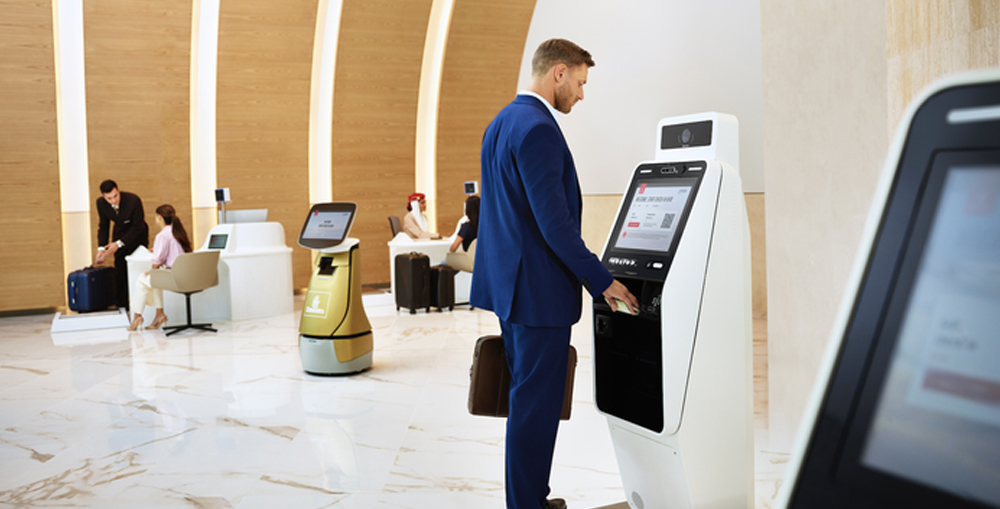
The world has evolving at a rapid pace, especially with the rise of AI (artificial intelligence) and integrated digital technologies, the customer experience management has completely transformed. Now a days, when you arrive at an international airport or at a hotel, the first thing you will notice is flashy touch screen stations, usually equipped with QR Scanners, Card Printers, Payment Machines, and sometime travel documents scanners such as Boarding Passes and Passport. These interactive self-service stations are gaining huge momentum all across the world. Especially at world-class airports and hotels in Dubai, Abu Dhabi, Sharjah and all across UAE. These interactive self-service kiosks or self-check-in kiosks are transforming the customer experience and delivering incredible level of operational efficiency and performance.

The most common pain point at airports and hotels is the waiting lines and these digital self-check-in kiosks are allowing passengers and guests to complete part of their journey without waiting in long queues. Passengers and guests can print their boarding passes, tag their luggage, scan their passports and visas, make payments, customize their plans, select rooms and amenities, and even print/dispense room access cards from these self-check-in kiosks without waiting in log waiting lines. These self-check-in kiosks comes in various shapes and forms and can deliver a multitude of functionality with utmost convenience. In this blog we will discuss how self-check-in kiosks are bridging the gap between the traditional in-person service and modern digital convenience. These smart machines have potential to completely change how we think about checking-in, boarding, traveling and starting our trips.

How Self-Check-in Kiosks Are Transforming the Travel Industry

How Self-Check-in Kiosks Are Transforming the Travel Industry

Why the Travel & Tourism Industry Needs Self-Check-In Kiosks?
For decades, the traditional way to deliver services to passengers and guests has been, and still is, the front desk. Where the staff is doing the most of the work, which also inherent several inefficiencies. Whether it is passenger check-ins, boarding pass printing, tagging luggage, assigning rooms to guests, assigning amenities and add-ons, verifying documents, taking payments and much more. While this worked for so long (evidently), but things are getting changed now. The digital revolution all around the world is altering the customer behavior and raising their expectations. Whether it is passenger at an international airport terminal or at a train station or a guest at a hotel or motel, they are expecting priority treatment and quick service delivery. Let us admit, none of us like waiting in long queues. This is what has driven the explosive adaptation of these automated self-check-in kiosks.

See Also: What is a Self Service Kiosk? Here’s All You Need to Know
Moreover the businesses are facing the most common challenges such as:

  • Long Queues at Receptions
  • Bottlenecks due to shortage of staff or during peak hours
  • Limited operational efficiency due to limited staff
  • Repetitions and slow down due to human errors
  • Language & Communication Problems
  • Skyrocketed customer expectation and market competitiveness

These are some of the most common problems that compelled the business leaders to think and adopt an out-of-box approach to deal with these problems. The self-check-in kiosks are the ideal solution to all those major problems. These smart digital devices not only offer convenience and control to customers but also tend to significantly boost the operational efficiency. Businesses can install multiple self-check-in kiosks as a parallel service channel to ease up their receptions and counters. Moreover the customer wait time can be significantly reduced by adopting self-check-in kiosks. The digital integration help driving automation and optimize operational cost and minimize staff overhead. That is why airports, hotels and businesses in travel industry should adopt these solutions.

Why the Travel & Tourism Industry Needs Self-Check-In Kiosks?

Why the Travel & Tourism Industry Needs Self-Check-In Kiosks?

What are the Core Functionalities of Self-Check-In Kiosks?

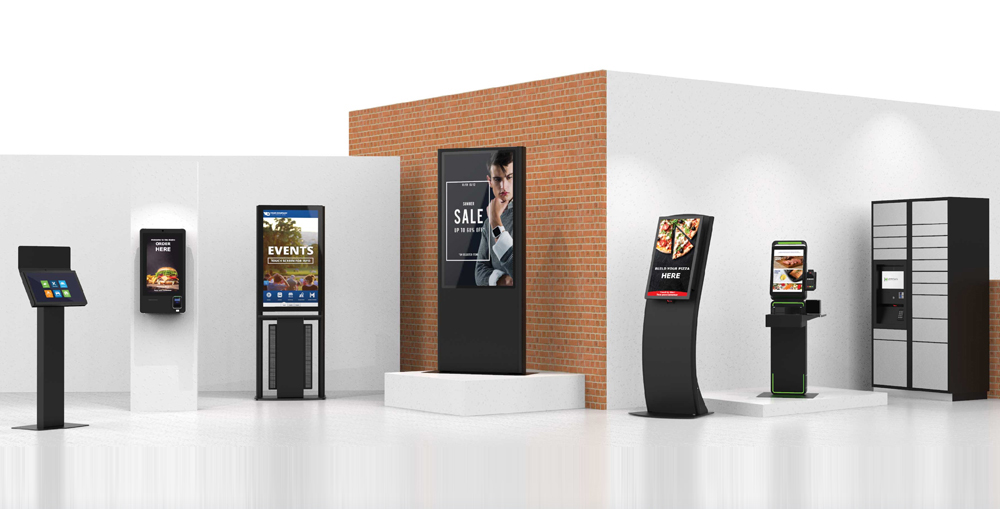
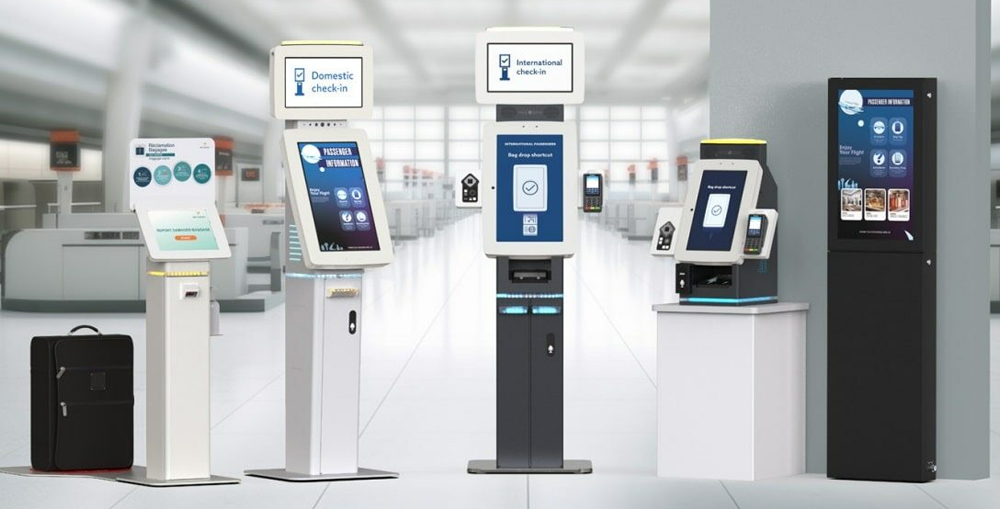
From practical stand point the self-check-in kiosks can customized for multiple setups, whether it is a floor standing kiosk for airport halls, a wall mount type for a bus or train station and a tabletop for a hotel or various hospitality applications. The self-check-in kiosks can offer a multitude of features that help businesses optimize their operations and enable them to deliver exceptional customer experience. Technically businesses can equipped these self-check-in kiosks with multiple hardware features such as touch screen, physical keyboards, passport and ID scanners, POS machines, biometric scanner, facial recognition or even IRIS scanners, boarding pass printers, hotel key card printers, key dispensers, and much more. Moreover these interactive self-service kiosks can be integrated with airport’s passenger management system, hotel’s property management system, ERPs, CRMs, payment gateways, etc.

See Also: Innovative Self-Checkout Solutions for Retail Success

Above all, businesses also have the liberty to customize these digital solutions according to their unique business requirements and customer needs. This allow travel and tourism businesses to perfectly align their self-check-in kiosk with their unique challenges and results in better ROIs. Here are some core functionalities of self-check-in kiosks:

  • Registration & Identity Verification: The first and most important task a self-check-in kiosk handles is the registration and identity verification. The authentication ensures the person accessing the service is eligible for that. This can be done via various methods, the ID scanning, passport scanning, reservation barcode/QR code scanning, boarding pass scanning, and even through biometrics and facial recognition. The registration can be done via an intuitive registration form and on-screen keyboard and onboard scanning devices. This process can take only a minute or so, expediting the service delivery to the passengers and guests.
  • Reservation, Booking Access, Boarding Passes Access and Retrieval: Once the user is identified these self-check-in kiosks automatically retrieve the required information from all available/connected databases to provide customers access to the available services. This provide passengers and guests the visibility of their booking details, boarding & flight status and much more. The passengers and guests can easily modify their plans, they can customize their services, print boarding passes, print luggage tags, retrieve hotel key cards and much more. This also open up the possibility of upselling and provide a communication channel as well.
  • Boarding Pass Printing, Check-Ins or Getting Credentials: Once the information and retrieved, the passengers and guests have finalized their decisions, the final step is to print the boarding passes for airports, tickets for the train & bus stations and retrieval of room key card for hotels and ordering food, etc. hospitality sector. That is not all, the customized self-check-in kiosks can be equipped with special devices and services to align with the internal business processes and service nature. The self-check-in kiosks can offer a multitude of printing and dispensing devices and businesses can also have multiple devices to facilitate different printing/dispensing services.
  • Baggage Drop and Luggage Tagging Integration: Many airports are offering customized self-check-in kiosks to facilitate baggage control processes. The passengers at airports can check-in through their boarding passes, or booking code (serial number or QR Code scanning) and print their baggage tags right from the kiosk without requiring to stand in long waiting lines. Once tagged the kiosk can guide them to drop them to self-service automated baggage drop or staff-assisted baggage drop station. Additionally the airlines can also offer baggage weight and wrapping services from the self-service kiosk to enhance passenger experience.
  • Collecting Payment, Upselling/Ancillary Services: The self-check-in kiosks also offer multiple payment collection mechanisms such as cash payments & change return, payment via cards, digital wallets, or via integrated payment gateway solutions, etc. Airports, airlines and various hotels offer their passengers and guests several opportunities to upsell, such as plan upgrades, seat section, extra luggage, in-lounge services, etc. and in case of hotels, room upgrade, add-ons, late checkout, etc. Studies have shown that guests are more likely to opt for add-on or upgrades while checking-in through the self-check-in kiosks at hotels.
  • Multilingual UIs & Accessibility Support: The travel industry serves customers who are from all around the world, having different cultural and background, language proficiencies, and different level of understanding for digital solutions. A customized self-check-in kiosks offer businesses a chance to customize the user experience based on their preferences and group profile. Moreover, dealing with people with different level of abilities is also not a problem. The customized self-check-in kiosks allow UI customization controls, on-screen prompts, audio-visual guidance and can also operate via voice command to ensure service to all customers.
  • Integration with Online Channels and Mobile Apps: The modern day’s digital customer experience spans mobile applications, websites and interactive self-service kiosks. Integrating all those customer facing platforms is not just an upgrade but a necessity. For example, a passenger might check-in from the website, online portal or their mobile app and they only need to print their boarding pass and check-in their baggage. The kiosk allow them to use their credentials to check-in and do the rest via self-check-in kiosk. Same is the case with hotels, the check-in might be done via app, but the guests can print their keys or avail other services via kiosk.
  • Real-Time Data Analysis and Reporting: The self-check-in kiosks offer real-time data analysis and customized reporting with a comprehensive data dashboard. These kiosks run on a server-side application which integrates with all required services, databases, and central operating system of the organization. The self-check-in kiosk itself is a computer terminal hosting the user interfaces and majorly hardware components. Thus whatever is happening on the kiosk is instantly gets registered at the backend software. A comprehensive data dashboard is provided to monitor the activity in real-time along with ability to generate customized reports as per needs.

These are some of the most common functionalities of a self-check-in kiosks. However, businesses always have room to customize each functionality as per their needs and requirements. The backend server-side software application is the true brain of the system, it is integrated with all supportive systems, databases, applications, and services to ensure a seamless and smooth customer service at the kiosk. Businesses can easily customize these kiosks on both software and hardware level. Usually these solutions comes with modular components which simplify the maintenance and upgrade process and ensure long-term use.

See Also: The Role of Self-Check-in Kiosks in Enhancing Hospital Efficiency

What are the Core Functionalities of Self-Check-In Kiosks?

What are the Core Functionalities of Self-Check-In Kiosks?

Conclusion

The introduction of digital technologies, especially the self-check-in kiosks in travel industry have completely transformed how passengers and guests experience their journey or avail services. By combining airport services, airline portals and intuitive digital interfaces, these kiosks can deliver exceptional passenger experience while greatly boosting the operational efficiency. Self-check-in kiosks at hotel effectively reduce guest wait time, enhance experience and help businesses boost their upselling and communication. Whether it is passenger identification, boarding pass printing, seat upgrade, luggage tags or even ticket purchase these self-check-in kiosks can offer a variety of services with superior passenger experience. By only minimizing the average passenger wait time, the airports and airlines can improve their capacity and customer satisfaction.

These self-check-in kiosks comes in different types, shapes and sizes, suitable for all types of application and services. Businesses can equip them with a spectrum of both software and hardware components which can help them streamline their services and improve customer experience. Moreover, by adopting to self-check-in solution businesses can also reduce the work overhead of their staff which results in better staff performance and superior customer experience. From the technology stand point, a self-check-in kiosks solution is built on modern technology and software stack which not only help businesses incorporate innovative features, but also help enhancing the user experience and performance. The seamless integration with other solutions enable quick service delivery and real-time synchronization.

As the technology continue to evolve, the market trends continue to change and the demand keep increasing, we will witness these smart technology marvels all across the world. The stats shows the demand has already risen and is continue to rise in 2026 and coming years. An early adaptation to such solutions can provide a great competitive advantage and help businesses position themselves to embrace the future with open arms. In this blog we have briefly discussed what a self-check-in kiosk is, why airports, hotels, and travel industry needs them. We have also shed light on the core functionalities of a self-check-in kiosk with respect to their role in airports and hotels. If you want to learn more about the subject or if you want our help to build a customized self-check-in kiosk for your business, please feel free to contact us through our Contact Us page or leave a comment in the comment box below and we will get in touch with you soon.

See Also: 5 Future Trends in Self-Check-in Kiosks: What to Expect

See Also: Streamlining Visitor Check-ins with Visitor Management Kiosks

Posted in Custom Interactive Kiosk, Customized Kiosks, Interactive Kiosk Dubai, Interactive Self-Service Kiosk, Retail Self-Service Kiosk, Self Service Kiosk, Visitor Management Kiosk | Tagged , , , , , , , , , , , , , , , , , , , , , , , , , , , , , , , , | Leave a comment

Harnessing AI to Transform Customer Feedback into Actionable Insights

The customer feedback is one of the most valuable asset for any business especially in modern and rapidly evolving business landscape. The reviews, surveys or support tickets are not just customers’ opinion but a far deeper understanding of what customers loved about your brand and what frustrates them. However, in this modern era of digital transformation, the abundance of data and information has emerged as a biggest challenge for businesses.

Now a day’s the customer feedback is not only limited to occasional calls, email forms or on-site survey forms, but it has emerged as a multi-dimensional, complex and resource-intensive feat. The overwhelming amount of data and information has already pushed the legacy software solutions to their limits. This is where the AI steps is, particularly the customized AI Agents have proven as an ideal solution for modern day’s complex challenges.

A customized AI Agent is a software solution, which inherits multiple AI features such as advanced analytical tools, NLP/NLU algorithms and much deeper understanding of context which is essential to evaluate customers’ emotions and sentiments. Listening to customer voice help businesses improve their products and services. However, that is not as that simple, collecting customer feedback through multiple digital channels and across multiple touch-points in itself is a very resource-intensive.

Moreover, converging the feedback data to a single data repository is nearly impossible, considering the limitation of traditional or legacy software solutions. The AI has answer to all these problems, especially the customized AI Agents who are particularly trained on your own data and aligned with your goals. In this blog we will discuss how a customized AI Agent for customer feedback system can do wonders.

See Also: Key Features of a Customer Feedback System

Understanding the Basics of a Digital Customer Feedback System

Understanding the Basics of a Digital Customer Feedback System

Challenges with Traditional Customer Feedback Systems and VOC Methodologies

Every piece of customer feedback, whether good or bad, matters a lot in understanding the true customer sentiment. The VOC (voice of customer) help businesses understand what their customers like about their products and services and where they need to make improvements. No matter how many market research you conduct, how much data you analyze, that will still be guessing if it is not validated by your actual customers.

Rapidly growing markets such as in Dubai, Sharjah, Abu Dhabi and broader UAE, where the competition is high and the innovation is fast-paced, the customer opinion matters the most. Remember, at the end of the day you will have to sell and serve your customers. If customers are satisfied with your products and services, they will surely going to return, if they are unhappy, they are most likely to go with a competitor instead.

When it comes to collecting and analyzing the customer feedback data, it is a very resource intensive and challenging task. Businesses often rely on hybrid-methodologies, which involves both manual work and digital tools. In today’s world the customer voice is scattered across multiple channels and platforms. The traditional customer feedback management offer limited data collection tools and lack any ability to interpret or correlate two different types of feedback data and from different data streams.

This could sometime lead businesses to take unsuccessful decisions which can harm both customers and business reputation. The customized AI Agents who are trained specifically to operate in customer experience management, have ability to perform in-depth analysis, understand the context of the feedback, relate data from different sources, and have incredible ability to identify the smallest patterns which can never be identified manually.

See Also: How to Use Customer Feedback Systems to Drive Innovation

Customer Feedback System Supports Many Metrics and Feedback Data Types

Customer Feedback System Supports Many Metrics and Feedback Data Types

Another most crucial aspect of customer feedback analysis is the human factor. Different staff members tend to interpret comments differently, which greatly increases the likelihood of misinterpreting customers’ true sentiment. Moreover, when multiple languages are involved, which is very common in UAE, then businesses needs more staff to analyze all those comments, and feedbacks. This is something that has direct impact on the operational cost.

However, with customized AI Agents, none of this is true, the customized AI Agents can understand virtually any language with consistent and very precise outcome. A customized AI Agent can operate 24/7, it never get tired, it doesn’t have bad mood, doesn’t get sick, or never require a break. All these factors make AI agent an ultimate analysis tool. The actionable insight produced from feedback data is only as good as the analysis is.

Moreover the customized AI Agents are also excellent in seamlessly integrating multiple data sources without compromising the quality of the data, which is essential for an accurate analysis. Many businesses, especially the small businesses doesn’t have enough resources. That is why the customized AI Agents are an ideal tool to produce actionable insight from customer feedback data.

Even if you are a large enterprise and have enough resources, sniffing for patterns through a large volume of data could be a challenging task. The customized AI Agents on the other hand has incredible ability to identify the smallest changes in patterns which are impossible to identify by the human eye. These features make customized AI Agents an ideal companion for customer feedback solutions. Processing large volume of data and accurate advanced analysis eliminate inefficiencies of traditional VOC methodologies.

See Also: How a Customer Feedback System Helps Your Company Grow

Multichannel Feedback Collection

Multichannel Feedback Collection

How Advanced Feedback Analysis with AI and Machine Learning are Changing the Game?

The advancements in AI (Artificial Intelligence) has revolutionized the software development landscape. It is currently driving the next wave of digital transformation across all industries. The AI is vastly different from the traditional software application, as it is built on a multi-dimensional database which raise its ability to process large volume of data by many many time more than any conventional software application.

Moreover the AI is built on very large volume of source code, known as algorithms, and an AI applications are built using very latest and technologically advanced frameworks. Abilities like NLP/NLU (natural language processing/natural language understanding), ML (machine learning), LLM (large language models) and reasoning are inherent features of AI. Moreover the customized AI Agents are specifically trained on your own data, and are fully aligned with your company goals.

When it comes to the customer feedback system, the AI outperforms almost in every aspect. Whether it is quantifiable feedback, structural or unstructured data, comments or suggestions, rating, behavioral analysis, sentiment analysis or any other advanced analysis, the AI clearly dominates in all fields. This is what makes customized AI Agents an ideal solution for modern day’s customer feedback management needs.

Moreover the AI has become so advanced that it can take key points form any sort of user-generated content, whether it is online feedback, social media comments, topic detection, photos or even videos, etc. Moreover the customized AI Agents are can read, understand and interpret customer feedback like any ordinary human does. Not only that, but the AI Agents can accurately understand and identify the sentiments, and hidden insight form a very large volume of feedback data within minutes.

See Also: Leveraging Customer Feedback System for Business Growth

Customer Feedback System: Categorization and Data Analysis

Customer Feedback System: Categorization and Data Analysis

One of the greatest advantage of a customized AI Agent is that it is trained on your organization’s data, it knows and understand your products, services, brand voice, and it is fully aware of the common problems your customers are facing like an insider. Think of a customized AI Agent like an ordinary staff, who is well-trained in customer feedback management, but has incredible analytical skills, literally makes no mistake, never gets tired, remains persistent 24/7, and can perform tasks at lightning speed.

This is what makes them so special and very efficient at managing and analyzing customer feedback. The customized AI Agents can seamlessly integrate with existing IT infrastructure such as customer feedback system, CRM, POS, financial system, or ERP and multiple communication channels such as websites, mobile applications, call centers, or on-site touch screen kiosks, etc.

The biggest challenge with the customer feedback is the large volume and diversified data types. Businesses ask different types of questions, for example, the NPS Score, CSAT, CES, General Satisfaction Surveys, Multiple Choice, Rating Scales, Happiness Meter and many more. Along with that businesses also gets comments and suggestions in text, then there are other channels such as customer portals, mobile apps, and social media, etc.

All these different types of feedback data has to be analyzed to understand the actual customer sentiment and to produce actionable insights. The large volume of data itself is a big challenge for feedback management, then with manual and semi-automatic analysis methods also lack accuracy and depth. The AI on the other hand has advanced analytical abilities, and can detect even the smallest change in trends and identify hidden patterns which make them ideal for feedback solutions.

See Also: 5 Best Practices for Designing Effective Customer Feedback Surveys

Customer Feedback System Provide In-Depth Data Analysis and Actionable Insights

Customer Feedback System Provide In-Depth Data Analysis and Actionable Insights

How Customized AI Agents Work with Customer Feedback Management

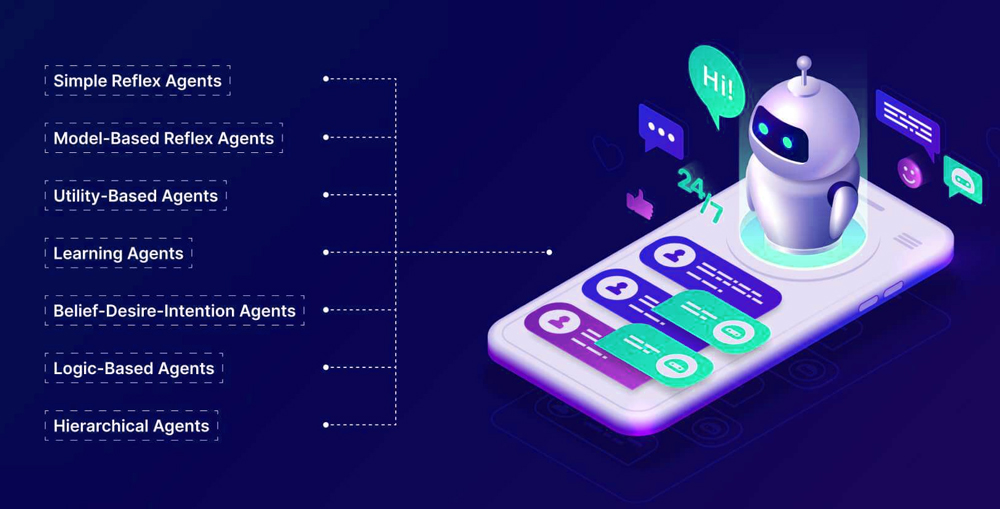
A customized AI Agents is not just a smart software application, but it is a kind of virtual employee, who can process extraordinarily large volumes of data, who can reason and think, who is goal oriented, and who never gets tired. A customized AI Agent is trained on your company data, it is optimized for a particular job role, and it is fully aligned with the organizational goals and objectives and strategic demand of the role.

This means that a customized AI Agent not only think, learn and adopt but it can also derive new workflows, methods and take actions to achieve the designated goals and objectives. An AI Agent can perform tasks at lightning speed, it is fully synchronized with internal digital solutions, customer touch points and digital communication channels. It can converse with both customers and employees through chat and voice and it can analyze and interpret images as well.

Here an important thing to understand is that the customized AI Agents are not human replacement, but they are designed to work in harmony with the human staff to boost their productivity, efficiency and accuracy. For example, in case of reviews, comments and suggestion, when a customer writes or says they are happy with the service, the customized AI Agent will mark it as positive, if they say they are frustrated, the AI agent will mark it as negative.

The customized AI Agents leverage the NLP/NLU algorithms to translate and interpret the customer’s language. Not only that the customized AI Agents can be trained for virtual have any language and they also supported multi-lingual interaction. This is what makes them ideal and save a lot of time for the team, rather going through every single line, the customer service agents or managers can instantly know if the customers are happy or unhappy.

See Also: Best Practices for Collecting and Analyzing Customer Feedback

Integrating AI in Customer Feedback System

Integrating AI in Customer Feedback System

Another remarkable feature of customized AI agents is their ability of topic detection which is nearly impossible with manual or traditional analysis methods. The customized AI Agents can identify the most discussed topics or the most repeated complaints from thousands and even millions of reviews or feedbacks. For example, if most of the customers are criticizing a particular feature of your product or for a particular aspect of the service, the AI Agent will immediately identify it.

Moreover the customized AI Agents address the fundamental problem with traditional feedback management methods, which is the ability to converge the feedback data from multiple sources. A customized AI Agent can collect, understand and interpret the feedback data simultaneously from online reviews, on-premises surveys, call transcripts, social media channels, and even the emails.

Managing customer feedback is always a resource intensive job. However, with the customized AI Agents businesses can automate several tasks, and implement customized AI Agents to ensure smooth data flow and automation in internal processes. Moreover businesses can leverage the potential of customized AI Agents to take quick actions. For example, if let say 20 customers simultaneously reported a particular service is down, then that could trigger an alert for the managers and teams.

By consolidating feedback data form multiple channels, in-depth topic identification, advanced analytics and in-built automation tools, a customized AI Agent turn scattered feedback data into an actionable insight. This help your team to quickly identify the problem and expedite their investigation. On top of that the employees and managers can produce complex reports by simply asking the AI Agent to do so.

See Also: How to Develop a Customized Customer Feedback System to Ensure Success

Collecting Customer Feedback Data with a Digital Customer Feedback System

Collecting Customer Feedback Data with a Digital Customer Feedback System

Customized AI Agents Turn Feedback Insights into Actions

The customer feedback management consists of four parts, collecting the customer feedback data, analyzing it, then taking action on it and at last inform the customers about these actions. This is also called closed-loop feedback system. No matter how accurate your analysis are or how efficient your feedback data collection channels are, if you never take timely actions, then you can never leverage the full potential of VOC (voice of customer).

An AI Agent not only improve feedback data collection methods, it help centralizing the feedback data from multiple sources and offer complex analysis at a lightning speed. Since the customized AI Agents are trained on your own company’s data and are familiar with your internal workflows, business processes and organizational goals, it help AI Agents to understand the priority and level of urgency for any particular complaint or reported problem.

For example, if suddenly customers start marking online payment method as inefficient, then it means there could be something wrong with the payment gateway, hence require instant review by the relevant team. The customized AI Agent has ability to identify all such matters with accuracy and accordingly it can notify relevant teams, management and personals to take prompt actions to resolve this problem.

On top of that the customized AI Agents also has ability to understand different levels of priority and urgency for any feedback. The customized AI Agents are incredible at sensing changes and adopting to new conditions without compromising on the set goals. Moreover the customized AI Agents can be integrated with any digital tool which enables them to improve internal workflows for enhance staff performance. An AI Agent is not a replacement of a human staff, but it is a very powerful supportive tool to boost performance.

See Also: The Impact of Real-Time Feedback on Customer Experience

What are AI Agents? (A Quick Introduction to AI Agents)

What are AI Agents? (A Quick Introduction to AI Agents)

Conclusion

Customer feedback or voice of customers is one of the most crucial aspect of a business’s journey. The customer feedback offers a windows opening directly inside the customers’ minds. Businesses always struggle with managing customer feedback data, as it is complex, diverse, and scattered all around. Traditional or legacy customer feedback systems where simplify various processes and automate many workflows, they still fell short in many aspects.

This is where the AI (artificial intelligence) steps in and help businesses with many challenges. One of the biggest challenge is the scattered data and different data types, which makes analyses much more difficult and reduce the accuracy. Moreover businesses want to process this data in a way to extract actionable insights. These insights later drive their strategic decisions and help them convert the feedback data into actual improvements.

Integrating a customized AI Agent in customer feedback system help businesses easily and autonomously manage structured and unstructured feedback data and perform advanced analysis with lightning speed. Regardless of complexity and volume a customized AI Agents is proven to be highly accurate and efficient. This is what makes them ideal companion for customer feedback systems. Moreover the customized AI Agents are trained on your own company’s data which enable them to understand and adopt your unique organizational culture, brand voice, and high-level organizational goals.

See Also: 8 Proven Practices for Successful Customer Feedback Management

The AI Agents are goal oriented and they can take decisions based on historical and real-time data to ensure positive progress towards goals and objectives. In this blog we have discussed how customized AI Agents can be a game changer for your feedback management. If you want to learn more or if you want our help to implement a customized AI Agent enabled feedback system, please feel free to contact us through our Contact Us page or leave a comment in the comment box below and we will get in touch with you soon.

Posted in AI (Artificial Intelligence), AI Agents, Customer Feedback System, Customer Feedback Tool | Tagged , , , , , , , , , , , , , , , , , , , , , , | Leave a comment

The Impact of Self-Check-in Kiosks on Customer Satisfaction

In service sector the customer satisfaction is a mission-critical goal which have huge impact on business’s reputation and long-term success. Regardless of your industry or business type, the customer satisfaction impacts almost every aspect of your business. The loyal customers are more profitable, they tend to do repeated business and are good brand advocate, helping brands to establish good repute. Moreover the customer satisfaction and meeting to customers’ expectations help reducing customer churn and increase sales. The self-check-in kiosks are a great solution to enhance and elevate customer experience and raise customer satisfaction. Check-ins and registration is a common bottleneck, and in fact it is a pain point, where customers felt stuck. Streamlining check-in process remove friction and streamline customer flow.

Self-check-in kiosks are specialized version of interactive self-service kiosks that enable customers and visitors to check-in or register without interacting with the clerk or staff. This autonomous check-in process is simpler, more efficient and convenient for the visitors. Whether it is a hotel, hospital, airport, exhibition, or a government service center, the self-check-in kiosks are transforming the many industries worldwide. Implementing a self-check-in kiosk makes check-ins and registration more user-friendly, quicker and convenient. It help streamlining customer/guest flow, reduce average wait time and help businesses generate more revenue. Autonomous registration and check-ins help improving human resource management and have positive impact on the overall operational efficiency and performance.

The Impact of Self-Check-in Kiosks on Customer Satisfaction

The Impact of Self-Check-in Kiosks on Customer Satisfaction

How Self-Check-In Kiosk Works?

Fundamentally a self-check-in kiosk is an interactive self-service kiosk, but with specialized software and hardware features. Essentially it is a computer terminal equipped with a touch screen and a few peripherals as per the needs. Every industry and business have its own needs and preference, for example, a hotel check-in might just require a QR Code/Barcode scan and a few tap on the screen, whereas a government service might require payment and document scanning as well. A self-check-in kiosk can have multiple peripheral devices such as Keyboard, Mouse Pad, Touch Pen Input, QR Code/Barcode scanner, Emirates ID scanner, CCTV or Facial Recognition Camera, Biometrics, Credit/Debit Card, Cash Payment, NFC, RFID, Passport Scanner, Document Scanner, Thermal Printer, Document Printer, Wristband Printer, Visitor Badge Printer, etc.

Apart from a wide range of hardware peripherals, the software too offers a wide spectrum of customizable features and integration with existing systems, databases, and core business applications. Both the software and hardware together are exclusively designed to facilitate the check-in workflows and process. Moreover the self-check-in kiosks can also offer multi-lingual support, which further helps improving and personalizing the customer/guest experience. Typically all self-check-in kiosks are integrated with existing systems, databases and core business applications, but they can also operate as a standalone touch point. The integration pave way for simplified user operation and quicker service delivery, driving automation and efficiency in internal business processes and workflows, while effectively enhancing user experience.

How Self-Check-In Kiosk Works?

How Self-Check-In Kiosk Works?

How Self-Check-In Kiosks Elevate Customer Satisfaction?

The self-check-in kiosks offer great many features that can help enhancing customer experience. Moreover these kiosks are customizable, hence every business can customize those features as per their needs and goals. The main objective of self-check-in kiosk is to provide a user-friendly and efficient channel to allow customer and guests to register, check-in or access information.

Here are some key features of self-check-in kiosk that have huge impact on customer behavior and help businesses elevating customer experience:

  1. Faster Service and Less Wait: Self-check-in kiosk drastically reduce average customer/guest wait time, as instead of waiting for a front desk clerk or staff, multiple customers can use different kiosks. This reduce the congestion at check-in and help streamlining the process.
  2. Control and Convenience: The self-check-in kiosks offer user-friendly multi-lingual intuitive UIs (user interfaces). The on-screen prompts and instruction make process simple and give customer full control of what information they share and prevent any error or need of repetition.
  3. Consistent Customer Experience: The self-check-in kiosks always operate the same way, so most of the time customers/guests know what to expect. Furthermore the on-screen prompts and review reduce any error before submission and elevate the accuracy of the process.
  4. Personalization and Upselling: The self-check-in kiosks comes with an intelligent AI-powered software application. It can personalize customer experience as per their profile and persona and it can also promote additional add-ons such as amenities and upgrades to improve upselling.
  5. Contactless Interaction: The self-check-in kiosks can offer contactless experience for swift and safe check-in. Customers can scan a QR Code/Barcode and sign-in, these kiosks also offer contactless payments which help elevating customer experience and reduce wait time.
  6. Enhance Operational Efficiency: When the customers/guests are check-in or registering through the self-check-in kiosks the staff gets free and have more time to focus on servicing customers or answering their question or attending unhappy customers which raise productivity and enhance operational efficiency.
  7. Customization: The self-check-in kiosks are very flexible solutions, businesses can customize them to align with their internal workflows and check-in/registration processes. This customization not only seamlessly integrate these kiosks but also drive efficiency through automation.
  8. Scalability and Upgrade: An average self-check-in kiosk can remain operational for many years. They require very less maintenance and adding more kiosk to system bears no additional cost. Moreover businesses can further customize or upgrade them according to emerging needs.
  9. Third-Party Integration: The self-check-in kiosks offer simple and secure API based third-party system integration. This enable them to connect and synchronize with existing core business applications, CRMs, ERPs, or feedback systems for better automation and innovative features.
  10. Easy Deployment: The self-check-in kiosks can easily be setup in a plug-and-play configurations. The service-side application can be deployed on a cloud, the kiosk can go live simply by connecting them with WiFi or internet. Hence businesses can easily deploy or relocate them.

A self-check-in kiosk can greatly improve the registration and check-in process. Greeting your customers with an immersive digital experience help business build a positive first impression. Faster check-ins, less wait time, and multiple check-in options help enhancing customer experience and raise satisfaction. Waiting in long queues or delays at the reception cause frustration and hurt business reputation. A customized self-check-in kiosk is an ideal solution to raise customer satisfaction by automating check-ins and optimizing operational efficiency. All these features greatly help businesses improve the customer experience and raise their satisfaction.

How Self-Check-In Kiosks Elevate Customer Satisfaction?

How Self-Check-In Kiosks Elevate Customer Satisfaction?

How Self-Check-In Kiosks are Elevating Customer Satisfaction in Different Industries

Many industries are leveraging self-check-in kiosks. As every industry is different these kiosks are customized to offer features aligned with a specific industry needs. This customization make self-check-in kiosk much more effective and efficient. Moreover each individual business can further customize these kiosks to incorporate innovative features and align customer experience with their strategic objectives. Here are a few industries where the adoption of interactive self-check-in kiosks are surging:

  • Hotels and Hospitality: The hotels and other businesses in hospitality sector are leveraging self-service hotel check-in kiosks to enable their guests to quickly and conveniently check-in, choose amenities, make payments or issue room keys, without requiring to stand in long queues. The digital interaction not only convene check-ins but also offer better privacy, and easy access to information which is much appreciated by the guests.
  • Airports Passenger Check-Ins: All major airports around the world today offers self-check-ins to print baggage tags, boarding pass, customize travel plans, upgrade amenities and even purchase ticket from these passenger check-in kiosks. Self-check-in kiosks not only improve passenger experience but also help improving airport operations. Airports have reported a steep decline of around 20-22 percent in passenger wait time after implementing passenger-check-in kiosk.
  • Patient Check-In in Healthcare: Hospitals and clinics are also adopting self-check-in kiosks, especially in their emergency and OPDs. A self-check-in kiosk at a healthcare facility help reducing the patient wait time. It help reducing the complexity of check-ins and reduce average check-in time. Moreover patients can quickly check or reschedule their appointments, update medical or insurance details, and even make payments by simply swiping their credit/debit cards.
  • Exhibition and Events: Self-check-in kiosks are rapidly adopted by exhibition and event management organizations. A self-check-in kiosk enable visitors to quickly register, make payments, or print badges and access information. Visitors who have registered via online can simply scan a QR Code and print their badges or make payments by a few taps on screen. The self-check-in kiosks can greatly improve visitor experience at an exhibition booth and help enhancing operational efficiency.
  • Government and Public Services: A self-check-in kiosk at a government agency or public service office help dealing with several challenges. The large volume of daily visitors can be distributed and the customers can do registration, make payments, check status, access to information, scan documents, print documents, and much more. Any service from a very simple payment to complex multi-step registration process can be delivered effectively through these kiosks.

The self-check-in kiosks are very potent solutions and a well-crafted tailored self-check-in kiosk can be game changer for your business or organization. Many industries are adopting self-check-in kiosks to enhance and elevate customer experience. A self-check-in kiosk not just provide alternate service channels, but it can greatly improve the resource management. These kiosks can collect valuable business intelligence data which help businesses in data-driven decision making. Moreover these kiosks can operate 24/7, require very less maintenance and can remain relevant for many years. These features make them a high ROI solution for modern businesses and raise their future readiness.

How Self-Check-In Kiosks are Elevating Customer Satisfaction in Different Industries

How Self-Check-In Kiosks are Elevating Customer Satisfaction in Different Industries

Overcoming Challenges and Implementation Best Practices

Same like any other new technology, implementing and adopting to self-check-in kiosks or even any other type of interactive self-service kiosks can be a bit challenging, especially for those businesses who are new to this technology. Here are a few challenges and implementation best practices for the self-check-in kiosks:

  • Availability Issue: Businesses often doesn’t count the fact that any kiosk can go offline, due to internet connectivity issue or simply power issue. Thus fix positioning with proper cabling can avoid this. Furthermore a backup kiosk can help replacing the faulty one for short time without causing any interruption in service.
  • Customer’s Technical Understanding: Not all customers are proficient with technology, some prefer the traditional human-interaction. Thus ensuring that your staff is always present can help you serving such customers. Moreover multi-lingual support also help encouraging more customers to use self-check-in kiosks.
  • User-Friendly Interfaces: The self-check-in kiosks should have user-friendly user interfaces which should be properly optimized for touch screens. The button should be bigger and bolder, the on-screen prompts and multi-lingual support will help enhancing customer experience. A user-friendly user interface will also help building a positive impression on your customers/guests.
  • Accessibility: Businesses often neglect accessibility issues in these kiosks. A self-check-in kiosk should be accessible for all, even for people with disabilities. Adjustable screen, voice-command enabled UIs, and compliance with accessibility standard can help you make your kiosks more accessible and available for a wider audience.
  • Integration with Existing Systems: The modern day businesses heavily rely on information and data flow. Usually businesses use multiple IT and digital solutions. The information is scattered across several system. Integrating self-check-in kiosk with existing software solutions, databases, mobile apps and core business applications can greatly improve the functionality and efficiency.
  • Privacy and Security: People usually feel worried while entering their private and personal information into a machine that is publicly available for anyone. A simple privacy screen, indicating automatic sign-out and a security camera can help gaining trust. Moreover the kiosk should be placed at a well-lit and secure indoor location to further improve trust.

These simple yet very effective tips will help you mitigate several problems that may occur during or after implementation of a self-check-in kiosk. Furthermore businesses can utilize the analytical data of these kiosks to understand how many customers/guests are using them verses how many are still relying on traditional over the counter check-ins. Moreover businesses can integrate a simple feedback to understand how effective their self-check-in kiosk is. Feedback will help highlighting the features your customers may like and it will also identify the areas of improvement for future.

Overcoming Challenges and Implementation Best Practices

Overcoming Challenges and Implementation Best Practices

Conclusion

The self-check-in kiosks are not just a simple technology upgrade, but it is a very powerful and transformative tool. Businesses can utilize tailored self-check-in kiosks to enhance customer satisfaction. These kiosks are excellent at optimizing operational efficiency and tend to return very high ROI in long-term. Moreover in this modern day and age where the market landscape is highly competitive and the customer demands are rising day by day, businesses need a digital solution that can easily adopt to their emerging needs without requiring to make huge investments.

A self-check-in kiosk help facilitating and elevating check-in and registration processes and offer easy and simple customization which help businesses to easily align these solutions with their emerging needs. These kiosks often return your investments very quickly by elevating customer experience, raising revenue, optimizing human resource and decreasing labor cost. The customers also tend to lean towards digital interaction over the traditional experience. Especially in Dubai, Sharjah, Abu Dhabi and other regions of UAE where the digitalization and smart solutions are part of normal lifestyle, customer might expect a digital solution at their favorite service provider.

In this blog we have briefly discussed what self-check-in kiosks are and how they operate. We have also enlisted their key benefits and features that help elevating customer satisfaction and operational efficiency. If you want to learn more about the subject or if you want our help to tailor-made a self-check-in kiosk for you, please feel free to contact us through our Contact Us page or leave a comment in the comment box below and we will get in touch with you soon.

Posted in Custom Interactive Kiosk, Interactive Kiosk Dubai, Interactive Self-Service Kiosk, Self Service Kiosk, Visitor Management Kiosk | Tagged , , , , , , , , , , , , , , , , , , , , , , , , , , , , , , , , , , , , , , , , , , , , | Leave a comment

The Impact of Self-Service Payment Kiosks on QSRs

The quick service restaurants (QSRs) market have expanded rapidly, thanks to the rapid urbanization, convenience of digital payments and cultural evolution. Here in UAE the fast food restaurants are very common and people often prefer dining out or ordering online than cooking. According to a report the QSRs (quick service restaurants) market stands at USD 5.25 Billion in 2024 and is expected to reach to a staggering USD 25.36 Billion by 2033.

The UAE is a business hub and tourist magnet, moreover Dubai, Abu Dhabi, Sharjah and other emirates are amongst the safest cities in the world. This is attracting business owners, investors, workers and tourists from all around the world, further contributing to the growth of QSR sector. According to a market study, 33% of UAE resident east fast food several times a week which trend is growing every year. The demand for quick and convenient food is rising day-by-day.

The quick service restaurants (QSRs) have witnessed a major shift towards digital ordering channels and a self-service payment kiosk has emerged as one of the most effective and impactful new channel to drive customer experience and efficiency at the restaurant. The self-service payment kiosks offer multi-lingual user interfaces, easy and quick payment methods, and menu customization.

Above all ordering at a self-service payment kiosk or food ordering kiosk is much quicker and usually doesn’t have long queues. Moreover businesses are also reporting a rise of up to 30% in average check size, after implementing these intuitive self-service payment kiosks or food-ordering kiosks. A self-service payment kiosk is a fully customizable solution which not only facilitate regular transactions but also offer great many features which help enhancing customer experience and empower management with analytical data.

The Impact of Self-Service Payment Kiosks on QSRs (Quick Service Restaurants)

The Impact of Self-Service Payment Kiosks on QSRs (Quick Service Restaurants)

The Evolution of Food Ordering in Quick Service Restaurants (QSRs)

Ordering at a typical quick service restaurant was just by talking to cashier or through walk-through gates. However, this has changed after introduction of online food-ordering apps, digital channels, QR Code menus, and the self-service payment kiosk or a food-ordering kiosk. Over the last-decade, many international QSR brands such as McDonalds, KFC, Taco Bells, etc. have rapidly adopted to self-service payment kiosks across all their branches, around the world.

This trend also compelled other restaurants and fast food chains to deploy food-ordering kiosks at their branches. Today, customers just have to make a few taps on a touchscreen and swipe their cards, and that is it. Comparing this method to traditional cash counter orders, it is much quicker, more flexible, and it offers exceptional satisfaction. This digital interaction offer customers more freedom, control and personalization which add to their satisfaction.

Apart from better customer experience, businesses in QSR sector also witnessed a huge improvement in staff performance and efficient operations. Thanks for less human interaction, the orders can be placed in a fully autonomous way, freeing up the staff to focus on other customers and more productive tasks. Businesses can greatly level up their up-selling tactics through these interactive touchscreen interfaces and leverage several benefits to enhance customer experience and boost profitability.

Moreover in UAE where the population is more familiar with the convenience and comfort of digital channels, customers now expect digital interaction at their favorite quick service restaurant. In fact the food ordering has completely changed from talking to cashier to a few taps on a touchscreen through various digital channels and the self-service payment kiosks are at the heart of this evolution.

See Also: What are the Necessary Features of Food Ordering Kiosk?

The Evolution of Food Ordering in Quick Service Restaurants (QSRs)

The Evolution of Food Ordering in Quick Service Restaurants (QSRs)

What is a Self-Service Payment Kiosk? And why they are Surging?

A self-service payment kiosk is a computer terminal equipped with interactive touchscreen, POS and payment methods, and a comprehensive software layer. The software application of a self-service payment kiosk has two component, one is the server-side application, the actual brain of the system and the other is the UIs or user interfaces, where the customers interact with the system.

The server-side software of a food ordering kiosk is integrated with payment gateways, POS, kitchen management tools, restaurant management system or any other core business application. Businesses can easily customized both software and hardware for their self-service payment kiosk to align it with their unique business needs. Multiple payment methods can be offered along with a multi-lingual user interface, ideal for a multi-cultural society like UAE.

There are tons of features and advantages of implementing a self-service payment kiosk or food ordering kiosk at a QSR. However, the human resource management, particularly the labor cost, and customer experience are the two major reasons why the demand is surging for these solutions. A self-service payment kiosk guide the customers via on-screen prompts and simplify ordering process, which eliminate the need of a staff.

Furthermore as customers are now distributed between self-service terminals and cash counters, thus the restaurant requires less cashiers. This also enable them to deploy more human resource on order preparation and other services to enhance customer experience. Another major factor that cause the surge of self-service payment kiosks is the customer demand. Customer used to of smartphones and online channels expect fast, personalized and quick service delivery.

See Also: What Is a Self-Service Payment Kiosk? Unveiling the Future of Transactions

What is a Self-Service Payment Kiosk? And why they are Surging?

What is a Self-Service Payment Kiosk? And why they are Surging?

Self-Service Payment Kiosks Enhance Customer Experience

The self-service payment kiosks offer many advantages for both businesses and customers alike. The interactive self-service kiosks offer personalized User Interfaces or UIs, businesses can offer multiple languages, such as Arabic, English, Chinese, Russian, Urdu, Hindi, etc. and this can greatly improve user experience. Ordering in their own language will help them easily understand the ingredients, and customize their meals as per their preference.

Furthermore the self-service payment kiosks offer quicker and faster service delivery. The accuracy is flawless, as there is no human interaction involve, so no chance of misheard, or incorrect orders anymore. The customers can explore the full menu, they can chose different add-ons and utilize the payment method of their choice. The customers don’t have to wait in long queues, and they are served much quicker comparing to the traditional cashier–based ordering.

Apart from offering full control and freedom of order the interactive self-service payment kiosks also provide a detailed menu with detailed list of ingredients, photos and options to specify medical conditions or exclusion of certain ingredients. All this is relayed to the kitchen staff instantly with 100% accuracy. This level of personalization and accuracy delight your customers and build trust, which is crucial to reduce customer churn at quick service restaurants (QSRs).

The customers can spend more time, personalizing their order and exploring add-ons, without any peer-pressure. Moreover the self-service payment kiosks are very good at presenting special offers, deals, or promoting add-ons. Which also makes it easier for customers to select. The on-screen instructions and multi-lingual support greatly improve customer experience and help quick service restaurants (QSRs) in building good brand reputation.

See Also: Why Self Ordering Kiosks Are a Secret Weapon for Small Restaurants

Self-Service Payment Kiosks Enhance Customer Experience

Self-Service Payment Kiosks Enhance Customer Experience

Self-Service Payment Kiosks Increase Sales and Average Check Size

Where the self-service payment kiosks enhance customer experience, they also increase the revenue. That is another reason why quick service restaurants (QSRs) are racing to adopt to these solutions. These food-ordering kiosks help restaurants generate more sales and effectively raise the average check size. Businesses can greatly improve their upselling techniques using these interactive self-service payment kiosks. It is much more appealing to see an add-on with a photo and description on a screen rather quickly asked by the cashier.

During the rush hours, the cashiers tend to pay less attentions on upselling, which is not the case with the food ordering kiosks. The self-service payment kiosks are powered by a smart software engine, who can suggest the most relevant add-ons automatically to the customers, and it can also customize content as per customer persona to improve sales and upselling.

The tempting images, catchy taglines and putting flashy offers is a great strategy to get customers’ attention. Businesses who are using self-service payment kiosks or food ordering kiosks have witnessed significant rise in average check size. For example, McDonalds reported an average 30% of increase in check size after deploying these kiosks. Moreover, according to studies, 20% of customers who don’t order a drink, would order it if it is offered by a kiosk.

Businesses can easily integrate their CRMs and other digital tools with self-service payment kiosks. This further increase the opportunities for more sales and enhance upselling. The intuitive UI help eliminating the friction form the ordering process which also make it easier for customers to explore more options and add-on, new products and items can surprise and influence buying decision, which results in higher average check size and more sales.

See Also: Analyzing the Impact of Payment Kiosks on Consumer Behavior

Self-Service Payment Kiosks Increase Sales and Average Check Size

Self-Service Payment Kiosks Increase Sales and Average Check Size

Self-Service Payment Kiosks Improve Operations and Human Resource Efficiency

For most of the quick service restaurants the biggest challenge is the efficiency of the human resource. Especially when the footfall increases, the efficiency of the staff declines significantly. However, with the implementation of a customized self-service payment kiosks or food ordering kiosks businesses can do much more with their existing staff. When an alternate ordering channel is available, the footfall is distributed, resulting in balanced workload for the staff.

This can free up more human resource to focus on order preparation and serving customers’ other needs. Distributing customers between cash counters and self-service terminal can greatly improve efficiency during the rush hours. Multiple ordering channels allow businesses to serve more customers in parallel. Since the self-service operation doesn’t really require any staff assistance, businesses can allocate more resources on order preparation to cut service time.

Moreover the order customization is always problematic, sometime customers failed to explain clearly and some time the staff misheard them or the staff make errors in noting down their order. This makes order customization a very important pain point, and a self-service payment kiosk can effectively eliminate it from the process. The orders are displayed in front of customers for second review before sending to the kitchen, which prevent errors and increase accuracy.

Since the customer know what they want to order, ordering from the food ordering kiosk is much faster, moreover during the rush hours, the parallel lines move faster, effectively reducing the customer wait time. A study by Appetize shows, quick service restaurants (QSRs) witnessed a reduction of around 40% in total order time. The self-service payment kiosks never slow down, never get tired and offer seamless and smooth service consistency 24/7.

See Also: The Role of Self-Service Payment Kiosks in Reducing Operational Costs

Self-Service Payment Kiosks Improve Operations and Human Resource Efficiency

Self-Service Payment Kiosks Improve Operations and Human Resource Efficiency

Key Features of Self-Service Payment Kiosks and Implementation Best Practices

When it comes to acquiring a right self-service payment kiosk there are so many different types available in the market. Large businesses usually have technical teams to assess and evaluate every solution, however, for small or medium sized businesses the business owner or manager usually lack in-depth technical knowledge and understanding. Here are key features and implementation best practices which will help you understand a self-service payment kiosk solution:

Intuitive User Interfaces (UIs)

The touchscreen user interfaces or UIs are specially designed to make interactive kiosk more user-friendly. The screen should be clear, easy to understand, less options/ buttons, and appropriate sized fonts to ensure easy readability for the customer. It is ideal to use large buttons and photos along with proper instructions for each step. This will make your self-service payment kiosk more user-friendly and ensure even the first-time users can operate it without any difficulty. Multilingual UIs should be optimized for each language to avoid any error or wrong selection. The color scheme should be selected wisely to ensure high readability and contrast.

Interactive Kiosk Software: The User Interface

Interactive Kiosk Software: The User Interface

Personalized Upselling Prompts

The self-service payment kiosks comes with customized software application. Which can be customized as per your needs to enhance the customer experience. It comprises of a database of all of your offering and a smart AI algorithm which personalized the upselling prompts. For example, when a customer is customizing a burger, or ordering a standard burger, when they are done, the system can prompt them “Would you like to add fries? / Drink?” with a single-tap inclusion for better customer experience. Moreover the self-service payment kiosk never forgets to upsell or display your promotions, which greatly improve upselling and increase average check size.

Improved Upselling and Increased Check Size

Improved Upselling and Increased Check Size

Multiple Payment Mode and Loyalty Program

The self-service payment kiosk should be able to offer multiple payment modes. For example, here in UAE people commonly use Credit/Debit cards, along with Apple Pay, Samsung Pay, etc. You should include all these payment methods to improve customer experience. Easy access to the loyalty program is a must to have feature. The customers should be provided ways to ear or use loyalty points. Adding QR Code scanner, enabling sign-in via mobile number or scanning special RFID enabled loyalty cards will help customers to quickly and conveniently access their loyalty points.

Select the Right Payment Hardware and Payment Mode

Select the Right Payment Hardware and Payment Mode

Order Alerts and Notifications

After ordering from a self-service payment kiosk, the customers can be provided with a printed receipt and instructions to go to the right counter to get their meal. Along with that, SMS or WhatsApp based alerts can be used for better customer experience. The self-service payment kiosk automatically send order confirmation, alerts and notifications directly through SMS or WhatsApp. Clear instructions, order confirmation and alerts can greatly improve customer experience and also provide business a chance to utilize these channels to collect feedback and make your food ordering kiosk an ultimate customer experience transformation tool.

Automatic Alerts and Notification

Automatic Alerts and Notification

Third-Party Software Integration

One of the most important aspect of a self-service payment kiosk implementation is its ability and flexibility towards third-party system integration. Along with its many useful features, the integration is the most crucial for operational efficiency. As this integration allow your food ordering kiosk to communicate with other existing solutions such as loyalty program, POS, CRM, kitchen management system, payment gateways, etc. This integration ensures everyone is getting real-time updates. The orders can be instantly pushed to kitchen staff and cashiers. The payments can be registered instantly, the loyalty points can be used in real-time and the feedback can be stored in CMS seamlessly.

Integration with other Software, Hardware, and Enterprise Solutions

Integration with other Software, Hardware, and Enterprise Solutions

Scalability and Update

On an average a self-service payment kiosk can operate for many years, helping businesses in enhancing customer experience and catering to their emerging needs. However, they require regular service checks and occasional maintenance as well. Hence it is important to sign maintenance services as well. The self-service payment kiosk software should be able to add more kiosk in future and have ability to expand to other branches without requiring independent IT infrastructure to minimize the cost. Moreover the self-service payment kiosks should be able to offer customization, updates, upgrades and changes in future to accommodate the emerging needs and requirements at a low cost.

Scalability, Upgrade and Future Readiness

Scalability, Upgrade and Future Readiness

All these are important features and should be considered while designing or acquiring your self-service payment kiosk or food ordering kiosk. It is better to engage a professional kiosk designing company, such as RSI Geeks to ensure a well-crafted and tailored solution for your exclusive business needs. A self-service payment kiosk needs both physical space and prominent location within your premises. Mostly quick service restaurants (QSRs) have limited space, hence the kiosk should be placed strategically which ensures visibility and enough room for at least 5-6 customer to stand in queue in front of the kiosk.

Key Features of Self-Service Payment Kiosks and Implementation Best Practices

Key Features of Self-Service Payment Kiosks and Implementation Best Practices

See Also: Integrating AI in Payment Kiosks for Enhanced User Experience

Conclusion

Self-service payment kiosks or food ordering kiosks have proven to be a game-changer in the quick service restaurant (QSRs) industry. Businesses all around the world are rushing to adopt this innovative technology to enhance and elevate their operations. The quick service restaurant (QSR) industry in UAE is rapidly growing and is expected to grow in coming decade. Thanks to flexible government policies, the tourists and expats are pouring in, in millions every year.

The average lifestyle in UAE is busy and almost around one third of the population regularly order food from quick service restaurants (QSRs). Most of the customers prefer the control, convenience and quick service through interactive food ordering kiosks. Which makes them ideal for businesses who are seeking ways to improve customer experience and streamline internal processes for more sales and profitability.

For business owners and managers the bottom-line is crystal clear. The self-service payment kiosks elevate customer experience, automate upselling, facilitate product promotion campaigns, streamline internal processes and greatly improve staff efficiency. In a highly competitive market landscape, a customized food ordering kiosk is a match-in-heavens for quick service restaurants (QSRs).

Where these kiosks increase average check size and improve sales, they are also excellent at labor cost cutting. This doesn’t mean a kiosk is a replacement of cashier, but usually businesses require very less staff to effectively operate multiple kiosks. In this blog we have discussed the key benefits of implementing a self-service payment kiosk. If you want to learn more or if you want our help to design a bespoke food ordering kiosk for your restaurant, please feel free to contact us through our Contact Us page or leave a comment below.

See Also: Adopting Self-Service Payment Kiosks for Government Services

Posted in Customized Kiosks, Interactive Kiosk Dubai, Interactive Self-Service Kiosk, Payment Kiosk Machine | Tagged , , , , , , , , , , , , , , , , , , , , , , , , , , , , , , , , , , , , , , , , , , , , , , | Leave a comment

How Exhibition Stand Kiosks Can Boost Your Trade Show ROI

Businesses participate in exhibitions and tradeshows to enhance their brand visibility and to generate more business. Especially businesses operating in Dubai, Sharjah, Abu Dhabi and broader UAE proactively participate in such events. The country is a home to hundreds of international and local exhibitions, attractive millions of visitors every year. The UAE is one of the most favorite travel and tourism destination in the entire Middle East, which make these exhibitions and tradeshows more impactful. Exhibitions and trade shows like GITEX, Arab Health, Arabian Travel Market, Middle East Energy, Automechanika Dubai, Abu Dhabi International Boat Show, and many more are among some of the largest tradeshows in the entire world.

This means that businesses who are participating in such events have great potential to leverage the large volume of highly targeted audience from these events. Every event, exhibition or tradeshow is designed for a specific industry sector, which means that it will attract highly focused and relevant audience. For example, the people who are interested in Arab Health would be mostly from healthcare sector and people who are interested in GITEX would be mostly from the tech sector. That is why businesses regularly participate in such events and exhibitions. In this blog we will discuss how your exhibition stand kiosk can greatly improve your return over investments of participating in any such event.

How Exhibition Stand Kiosks Can Boost Your Trade Show ROI

How Exhibition Stand Kiosks Can Boost Your Trade Show ROI

Capturing Attentions in a Crowded Exhibition Hall

For any exhibition or tradeshow the most important thing is capturing the attentions. An out-of-the-box and innovative design approach will help you winning half the battle, but the rest of the half can be achieved by utilizing the advanced technology-backed strategies. A unique design always attract attendees, but will it be just a look or walk-in? That is a bit tricky, a perfect exhibition stand kiosk creates enough appeal to attract people to come in, talk to you staff or just interact with your interactive screens, tablets, etc. The success and effectiveness of your exhibition stand kiosk depends on number of interaction you have with the visitors and what impression you made on everyone. Businesses does have very specific goals, such as product promotion, brand awareness, lead generation, etc. But the route to success is the same.

In this modern day and age, technology is everywhere and everyone like digital interactions. Apart from the exhibition stand design, offering digital technologies such as digital signage screens, interactive kiosks and ipads, live product demos, etc. can greatly improve the conversion rate. On an average a business can generate a market qualified lead (MQL) out of every 7-8 interactions at a medium sized event, however, a well-trained staff can increase it to 2-3 leads as well. That is way too high comparing to any other traditional marketing channel. Attracting visitors is one thing, but converting them to lead or capturing lead data is the real return over your investments. This is where the technology steps in, businesses should utilize modern digital technologies to boost their ROI for any trade show.

Capturing Attentions in a Crowded Exhibition Hall

Capturing Attentions in a Crowded Exhibition Hall

Here are the key factors that will help you capturing attention in a crowded exhibition hall:

  • Visual Impact and Branding: Clear and consistent branding, bold colors, high-contrast graphics, digital signage, unusual design elements, and a balanced blend of visuals and art work will help you attract visitors from a far distance.
  • Layout and Design: The layout also depends on the allocated size of your floor plan. However, an open design, with multiple entrances and selection of right materials are good for higher footfall. For large floor plans you can adopt a pathway design for seamless visitor flow.
  • Lighting: This is the most crucial yet underrated aspect of exhibition kiosk designing. A good light combination can not only attract visitors, but also help setting up their mood. Strategically placed spot lights help highlighting important elements. Avoid excessive use of flashy and colored lights.
  • Digital Experience: Digital signage screens, interactive kiosks/tablets, AR/VR, gamification, contests, visitor management kiosks, quizzes, surveys, QR Codes, and social media integration will greatly boost the visitor engagement and these tools will also help you easily collect lead data.
  • Messaging & CTA: Communicating your value preposition is crucial, use visible taglines, headlines, graphics and leverage digital media. Use digital interactive kiosks to collect lead data, provide downloadable content, allow sharing to email or WhatsApp, or book a demo, etc.
  • Social Media Integration: Embrace the social media, share your social media profile handles, leverage brand-specific hashtags, share QR Codes to allow visitors to directly go to your profiles and pages, and offer them some incentive. Integrating your exhibition stand kiosk with digital marketing strategy can add great value to your ROI.
  • Hospitality & Comfort: Offer comfortable seating, people love to find a seat at a busy exhibition hall. Offer charging stations, refreshments, etc. to encourage longer stay. Leverage ambient lighting, light music, scents, etc. to reduce the fatigue and make a comforting environment.
  • Well-Trained Staff: Your staff should be very well-trained, they should be approachable, knowledgeable and very proactive to engage the visitors. Use tablets, NFC Business Cards, and QR Codes/Barcodes to quickly capture lead data without overwhelming the visitors.

These are a few most important factors that businesses should consider while preparing their exhibition stand kiosk. A good presentation, well-crafted graphics, well trained staff and interactive kiosk for digital experience will not only help you get the attracting of the visitors, but it will also make you stand out among other exhibitors.

Be On-brand and Grab Attention

Be On-brand and Grab Attention

Turning Visitors into Leads

For any exhibition or tradeshow the exhibitor had some very specific goals. The success of their exhibition depends on two key aspects, the first is attracting the visitors and standing out of the crowd. The other aspect is to be able to convert those visitors into leads. This is a bit tricky, and most of the time businesses lost valuable opportunities because of inefficient conversion methods. Here are some tips to improve your lead conversion strategy by well-thought designing work and smart strategies:

  • Seamless Data-Collection and Personalized Follow Ups: Leveraging a digital tool, such as interactive touch-screen kiosk, tablets, QR Codes/Barcode reader, online forms, etc. can be very useful. Using these channels is convenient and quick and these can be integrated with CRM as well. Once the lead data is captured, tag it and add additional information such as interest level, focused product/service, etc. Then within 24-48 hours follow up with a personalized email, referring to their interaction at your exhibition and offer them some incentive to engage them.
  • Focus on Brand Impact and Recognition: Using consistent messaging, attractive taglines, striking visuals, catchy digital signage and bold color pallets are ideal to make your brand stand out. When your branding is done right, the visitors will get a great positive impression. This impression is the key component in converting visitors into leads. A good brand impression will not only make your brand recognizable, but it will also help you gain the trust of the visitors. A dull a sloppy branding will not only repel visitors but it will harm your brand reputation as well.
  • Integrating Advanced Technologies: Leveraging advanced and cutting edge technologies will not only help you attract more visitors, but it will facilitate the lead data collection process. Technologies such as Customized Digital Kiosks, AR (Augmented Reality), VR (Virtual Reality), Digital AI-Powered Chatbots or Customized AI Agents can help you interact with maximum prospects. The AR/VR are ideal for demos and immersive experiences. Moreover the customized AI Agents equipped with your product knowledge can help you presenting your products are services more efficiently.
  • Creating the Most Memorable Experience: The exhibitors regularly participating in exhibitions and tradeshows in Dubai, Abu Dhabi, Sharjah or broader UAE are well aware that it is not only just about creating a good experience, but the interaction should be the most memorable than all others. Visitors usually remember only 3, 4 interactions after a few weeks of the exhibition. That is why creating the most memorable visitors experience is important. Offering souvenirs, gifts, exclusive content and an immersive experience will make your exhibition stand kiosk more memorable.
  • Tailoring Your Exhibition Stand Kiosk to the Audience: Every exhibition and tradeshow is different and somewhat unique. Every tradeshow, exhibition or vent carries a unique theme and tend to attract a few very specific audience type. Thus you should carefully consider this while designing your exhibition stand kiosk or booth. Moreover your location in the exhibition hall also matters, and its an important factor to consider in exhibition stand designing process. Modular designs are excellent and offer more flexibility, and can be easier to customize to align with your targeted audience.

A well thought-off exhibition strategy will help you squeeze the most out of your participation. These simple tips will even help enhancing the impact of a small exhibition stand. Every business have different priorities, some might be interested only in lead generation, some might focus more on brand awareness, some might want to present their new products, and some might want to find more business partners, etc. No matter what your primary objective is, you must be able to deliver a memorable experience with exceptionally great brand impression to maximize the ROI.

Turning Visitors into Leads

Turning Visitors into Leads

Conclusion

Businesses proactively participate in exhibitions and tradeshows to maximize their brand awareness and to promote their products/services. Every exhibition or tradeshow is different from others, thus these events attract a highly concentrated audience group. Businesses participating in exhibitions and tradeshows can greatly improve their ROI with a well-crafted exhibition stand kiosk and a blend of technology and strategies. However, when it comes to the cost, participating in exhibitions can be very expensive. You must have to build a great exhibition kiosk, integrate technology and digital tools, pay for the rent and sometime businesses also have to hire professional staff. All this is to maximize the impact, outcome and ROI of participating in the exhibitions and tradeshows.

See Also: The Future of Visitor Management: Digital Badge Kiosks

In order to maximize the ROI the simplest way is to minimize the cost and maximize the outcome. Regardless of what your core objectives are, the gameplay remains the same. If you want to minimize the cost, you must have to adopt to modern technology and best designing practices. If you want to increase the outcome, then you must have to attract more visitors to your exhibition stand kiosk. In this blog we have covered the key aspects of designing and planning your exhibition stand kiosk which will help you attract more visitors. We have also discussed the key elements of lead conversion strategy. If you want to learn more of if you want our help, please feel free to contact us through our Contact Us form or leave a comment down below and we will get in touch with you soon.

Posted in Exhibition Stand | Tagged , , , , , , , , , , , , , , , , , , , , , , , , , , | Leave a comment

Designing the Perfect Exhibition Stand Kiosk for Your Brand

Businesses participate in exhibitions, events and tradeshows to build relationship with their targeted audience. Your objective could be anything like brand promotion or awareness, prospecting, lead generation, or connecting with new partners, etc. If you don’t have a captivating exhibition stand you will not be able to succeed. UAE is a very vibrant country and a tourist hotspot, in 2024 alone there were more than 1000 events in the country, attracted almost 5.4 million visitors.

These figures are staggering. If you are a business regardless of size or industry and if you are located in Dubai, Sharjah, Abu Dhabi or any region of UAE, participating in such events and exhibitions can be a game changer for you. However, businesses often undermine the importance of their exhibition stand design. Without a perfect exhibition stand kiosk for your brand, you will never be able to achieve the desired outcome of your participation.

A well-crafted exhibition stand kiosk with eye-catchy design combined with digital smart technologies can make all the difference. Especially in such a competitive landscape where some other exhibitors might be investing much more in their exhibition stand kiosks, you can beat them with your smart strategy and out-of-the-box design approach. A perfect exhibition stand kiosk projects your brand values and help you gain attention of attendees in a sea of competitors.

Your exhibition stand kiosk’s design have potential to make your brand stand out and prominent, which is essential for attracting visitors. In this blog we will discuss how you can plan a perfect exhibition stand kiosk for you brand by smartly choosing the right layouts, physical elements and digital ingredients that will distinguish you from the rest. Here are some crucial aspects that you should consider if you are planning to participate in an exhibition.

See Also: Integrating Exhibition Stand Kiosks with Your Digital Marketing Strategy

Designing the Perfect Exhibition Stand Kiosk for Your Brand

Designing the Perfect Exhibition Stand Kiosk for Your Brand

Know Your Audience and Setup Clear Objectives

Before even sketching your exhibition stand kiosk, the most crucial aspect is to understand your audience and setup very specific and clear objectives. These two steps are intertwined and one influence the others. In order to understand your audience, you can start with asking some basic questions to yourself:

  • What is the theme of the event or exhibition and what kind of audience will it attract?
  • Who will walk by your exhibition stand kiosk?
  • What does visitor would like to find at your exhibition stand kiosk?
  • What you would want your visitors to do at your exhibition stand kiosk?

When you have clear objectives, answering to these questions will provide you a bit more context and direction. For example:

  • Capture 60 new high-value leads or generate 20 new sales
  • Promote your new product by offering free trails or hand-on experience
  • Direct visitors to your corporate website or social media platforms (for brand awareness)
  • Setup post-event meeting with 30 new prospects/partners

Most of the times the attendees come to events, exhibitions or tradeshows to discover new products, services, technology and innovative solutions. Thus it is crucial to understand your audience first before even starting to work on your exhibition stand design. Here another important thing to consider is that almost 80% of the attendees are capable of influencing buying decisions.

Since most of exhibitions and tradeshows have a very narrow subject, which is often called theme of the exhibition. This is why such events, exhibitions and tradeshows attract highly concentrated set of audience groups. For example, the GITAX is purely for technology enthusiasts, Book Fairs majorly attracts families and young people. Therefore understanding your audience and setting up clear goals can really make a difference.

See Also: How to Choose the Right Materials for Your Exhibition Stand

Know Your Audience and Setup Clear Objectives

Know Your Audience and Setup Clear Objectives

Key Elements of an Effective Exhibition Stand

For any exhibition stand kiosk it is crucial to attract visitors, and for that there are some key elements which every exhibition stand kiosk should have. Just think from a visitor’s point of view, what could attract them from far away and once they come closer they should be drawn in. Moreover it is important that your exhibition stand kiosk reflects your brand which will help them to identify your brand form the others. Here are some key elements that will help you improve your exhibition stand kiosk:

  • Brand Identity: It is crucial to display your logo, company name, or any design element that represents the uniqueness of your brand. Your brand colors should be dominant in your exhibition stand kiosk. These elements will help visitors identify your brand even from far away.
  • Clear Messaging: Using your taglines, mission statement, vision or core values will help visitors to understand what you do. Most of the businesses often do it incorrectly, the crucial thing to understand is that your tagline should be very small and self-explanatory.
  • Engaging Visuals and Aesthetics: Using large images, brilliant lightings, attractive graphics, and smart use of digital signage screens, interactive kiosks or LED displays will help attracting visitors. Studies revealed that motion and light are the two most effective elements our eyes are drawn to.
  • Interactive Demos and Product Displays: Businesses should always provide hands-on demos, product sample and visual presentations. Studies revealed that most of the purchase decisions at exhibitions are made after examining the actual products and their demonstrations.
  • Open, Welcoming Layout: Businesses often overdo their exhibition stand kiosks, which left less space for the visitors to enter. This is extremely important to have a wide and spacious entrances which allow visitors to easily enter your exhibition stand kiosk.
  • Friendly and Professional Staff: Attracting visitors is a big success but that alone will not help you achieve your goals and objectives. Having friendly and professional staff is crucial who are hospitable, welcoming, and professional sales staff will guarantee success.

These crucial elements help businesses build more effective and impactful exhibition stand kiosks. A clear brand identity, bright and colorful visuals, easy-to-understand brand messaging, interactive demos and unique decors will help you attract more visitors. Maintaining a balance between, visuals, technology, and brand elements and staff interaction will form the entire visitor experience and ensure success.

See Also: Visitor Management Kiosks for Enhanced Guest Experience

Key Elements of an Effective Exhibition Stand

Key Elements of an Effective Exhibition Stand

Designing Your Exhibition Stand Kiosk to Reflect Your Brand

Your exhibition stand kiosks should be the perfect representation and embodiment of your unique brand identity and value preposition. Your exhibition stand kiosk not only required to stand out of the crowd but it should clearly communicate your brand identity. Carefully understanding your own brand identity will help you manifest your brand value, unique persona and value preposition in your exhibition stand kiosk. Here are some key elements that will help you design your exhibition stand to perfectly reflect your unique, appealing and competitive brand identity:

  • Understanding Your Unique Brand Identity: Obviously every business understand their unique brand identity and their strengths. However, it is crucial to consider your audience at this stage. Think from your visitors’ prospective and then define your brand’s storyline, uniqueness, core values, brand persona, communication and messaging in a way that resonates with your targeted audience. Moreover, your logo, colors, design elements, typography, images, visuals and multimedia should be features throughout and consistently.
  • Define Your Key Objectives: Every business participating in an exhibitions, tradeshow or any event must has some key objectives and goals that are crucial for success. For example, if you need lead generation, you will be needing contact forms, QR Codes, interactive touch screens to collect lead data. For new product you must have demos or sample or a dedicated area to highlight it. If you are seeking new partnerships, you should highlight your brand’s achievements, vision, mission, etc. This will help you design an effective exhibition stand kiosk.
  • Maximizing Your Footprint: The size and layout of an exhibition stand kiosk have huge impact on customer flow, interest, engagement and overall experience. Considering the fact that most of the times businesses are allocated limited space, which require a thoughtful design to maximize the footprint of the exhibition stand kiosk. A well-crafted exhibition stand kiosk ensures a smooth visitor flow, easy navigation, and sufficient space to interact with digital and physical elements of the booth. An open and appealing layout always attract more visitors.
  • Engaging Signage and Interactive Displays: The traditional static displays are being replaced by the glowing, eye-catchy digital screens. The signage and interactive displays are ideal for attract and engage visitors. Especially interactive touch screen kiosks can be a great value addition to your exhibition stand kiosk. These dynamic and interactive elements keep visitors engaged, and also help exhibitors enhancing visitor experience and collecting lead data efficiently. These elements provide a great marketing platform and tend to attract more visitors.
  • Selection of Materials and Aesthetics: The materials and aesthetics will greatly influence the overall look and feel of your exhibition stand kiosk. Whether you chose metal, glass and acrylics, or wood, MDF and other eco-friendly reusable materials, it is crucial that whatever materials, texture, colors, etc. you use effectively represent your visual brand identity. It is also important to consider the durability and strength of the materials. Moreover the lighting plays a crucial role in highlighting your key brand elements at any exhibition stand kiosk.
  • Communicate Brand Massaging: All the design elements, whether it is digital signage, color pallets, marketing content on the digital screens, interactive kiosks, printed materials, product demonstration, etc. help empowering your brand identity. Furthermore in order to communicate your brand message, your logo should be displayed in a right manner, use compelling design elements to tell your brand story, use high quality graphics, highlight important taglines, your vision, mission, etc. and make sure your branding is consistent with your brand identity.

When designing your exhibition stand kiosk, it is crucial to consider the branding elements. The visual identity and branding of your exhibition stand kiosk will distinguishes you from the rest. In busy exhibitions, tradeshows, and bustling events standing out of the crowd is the most challenging task. Regardless of your size, even if you are a very small business renting the smallest available floor plan, if you do your exhibition stand right, it can be game changer for you.

Brand identity will add credibility and help you attract more visitors. No matter what your goal is, eventually you will be needing to attract more visitors to achieve them. These exhibitions, tradeshows and events always attract a very particular set of audience, which can help you generate more leads, sales and expand your business or seek more partnerships to strengthen your supply chain. It is also crucial to measure the ROI of your exhibition stand kiosk at the end to set plans for future improvements.

See Also: How to Measure the Effectiveness of Your Exhibition Stand Kiosk

Designing Your Exhibition Stand Kiosk to Reflect Your Brand

Designing Your Exhibition Stand Kiosk to Reflect Your Brand

Conclusion

Designing a perfect exhibition stand kiosk for you brand requires careful planning, a little bit of creativity, and use of modern technologies and right branding practices. It is vital to start by understanding your goals and objectives. Once you have clear goals set, then consider learning about your targeted audience. These two are the most crucial steps, as these will set the path for the rest of the process. It is crucial that your exhibition stand kiosk doesn’t only have elements to grab the attention of the passer by, but have ability to strongly and boldly display your brand identity. A clear brand messaging and an open layout are the key to success. You should think from the visitors’ point of view, brain storm over it and then layout your exhibition stand design in a way to prioritize the satisfaction and experience of your audience.

Businesses operating in Dubai, Sharjah, Abu Dhabi and all across the UAE actively participate in various exhibitions, tradeshows and local or global events. This is because the impact and success of these participations is very lucrative for the exhibitors. Businesses tend to display their new products, empower their brand awareness campaigns, marketing, sales, and even expanding their business network by just participating in an exhibition or trade show. Therefore a smart layout and innovative design can make or break your exhibition stand kiosk.

In this blog we have briefly discussed the key elements of an exhibition stand kiosk, and how any businesses can greatly improve their branding by adopting simple and small techniques of designing their exhibition stand kiosk. If you want to learn more about the subject or if you want our help to design a cost-effective exhibition stand kiosk that not only help you rise and shine but also help you to effectively project your brand identity in your next exhibition, please feel free to contact us through our Contact Us page or leave a comment in the comment box below and we will get in touch with you soon.

See Also: How Exhibition Booth Designing Work in Dubai?

Posted in Exhibition Stand | Tagged , , , , , , , , , , , , , , , , , , , , , , , , , , , , | Leave a comment

Streamlining Visitor Check-ins with Visitor Management Kiosks

Visitor check-ins are always problematic for both businesses and visitors, especially during the peak hours. Whether you are visiting a corporate office, a service center, government office, exhibition venue, hospital or educational institute, you are usually greeted by a reception staff who signs you in and get your basic information for their record. This process takes time and due to this time, congestion and crowd formation is common at such places. What if this check-in process reduced to a few taps on an intuitive touch screen? How convenient it would be for visitors! This is exactly what the visitor management kiosk does.

The visitor management kiosk automates and streamline the check-in processes resulting in significant time cutting from visitor registrations and check-ins. The visitor management kiosk not only replace the traditional sing-in books, but also eliminate manual processes with intuitive autonomous workflows. In this blog we will discuss your journey form manual and outdated check-in methods to a technology-driven, advanced, automated, robust and intuitive digital solution. By implementing visitor management kiosks, businesses and organizations can eliminate unwanted hustle and long wait time which results in better visitor and guest experience.

Moreover the digitalization help eliminating errors, delivers personalized customer experience and ensure superior safety and security of both your visitors and your staff. The visitor management kiosks support multilingual UIs (user interfaces) and help guide users through the check-in or registration process with on-screen prompts, clear instructions and visuals. These kiosk can also collect visitors’ data, scan their ID cards, passports, and documents and can also receive payments if required. All these features make registration and check-ins hustle free and very convenient.

Streamlining Visitor Check-ins with Visitor Management Kiosks

Streamlining Visitor Check-ins with Visitor Management Kiosks

What is a Visitor Management Kiosk? (Introduction)

When a visitor visits a place the first impression mattes a lot. Whether you are a corporate office, exhibition venue, educational institute, government office, healthcare facility or any other organization, the first impression of your visitor will going to set the tone for their brief experience at your premises. A visitor management kiosk help businesses and organizations to just focus on that and greet visitors with a very warm and welcoming first impression. The visitor management kiosk is simply an interactive self-service kiosk with additional features that facilitates the registration or check-in process according to business needs and requirements.

A visitor management kiosk has simple and quicker operation, ensuring superior visitor experience:

  • Step 1: When the customers/visitors arrive, they are greeted with a welcome message and basic options, such as language selection or service selection.
  • Step 2: If it is a check-in kiosk the customers/visitors will check-in by providing their basic information. For registration kiosk the customers are provided with full guide, on-screen prompts and instructions to ensure quicker and seamless registration.
  • Step 3: Most of the visitor management kiosk print the visitor badge, in some cases they issues QR Codes, or grant direct access to the premises or exhibition venue.
  • Step 4: The host is alerted as per predefined policy. If it is a meeting, the meeting room, attendant or any other relevant personal is informed. The kiosk can also automatically update all integrated systems in real-time, hence there is no manual work or lag.

For example, a standard visitor management kiosk has interactive touchscreen with intuitive multilingual UIs. A camera and Emirates ID reader or biometrics is also very common. Similarly for a registration kiosk, the visitor registration kiosk has additional devices along with touchscreen, such as visitor badge printing, document scanning (if required) and in some cases payment options to pay the registration fee, etc.

The visitor management kiosk comes with integrated software application which keeps all the logs, share, and store and authenticate data, and provide an analytical dashboard. This software can be linked with any core business application, ERP, or centralized management system for better efficiency.

What is a Visitor Management Kiosk? (Introduction)

What is a Visitor Management Kiosk? (Introduction)

Key Advantage of a Visitor Management Kiosk

The manual visitor management process has various inefficiencies and it undermines visitor experience by high wait time, manual registration or signing-in processes which are error-prone and slow. That is why businesses are not seeking automated solutions to eliminate all these inefficiencies. A visitor management kiosk is an idea solution to drive efficiency and if offers flexible customization which help businesses mitigating the unique problems and challenges they have. The visitor management kiosks also provide in-depth insights and real-time analytical data, increasing organization’s ability to instantly take actions and allocate resources before even the need arises.

This preventive approach have significant impact on operational efficiency and visitor experience. Here are some key advantages of implementing a customized visitor management kiosk for your business or organization:

  1. Reduce Visitor Wait Time: The visitor wait time is the single most impactful factor on visitor experience. A visitor management kiosk streamline check-ins and registration, digitalize work-flows and internal processes, eliminate the need of manual work or human interaction which effectively reduce the average visitor wait time.
  2. Enhanced Security and Safety: The visitor management kiosks are integrated with internal systems, databases and core business application which enable them to instantly authenticate user data and identity (if required), the visitor management kiosk elevate security by helping management keeping an eye on visitors’ movement by providing real-time data and restricting access to certain areas of the building.
  3. Improved First Impression: For any business the first impression of its customers, prospects or attendees of an exhibition is crucial. Long waiting line, inefficient registration and check-in processes set a negative tone for customer experience which can quickly amplify during their stay. A visitor management kiosk welcome visitors with greeting message, simplify registration and check-ins, provide personalized and intuitive experience, leaving a positive impression on them.
  4. Hyper-Personalized Visitor Experience: The visitor management kiosks comes with multilingual UIs and configurable software application. The intelligent software application and AI can deliver a hyper-personalized customer experience according to customer profile, demographics and various other factors, adding value to customer experience and satisfaction.
  5. Visitor Journey Management: Some businesses, corporate offices and government facilities only allow visitors to certain parts of the premises. The visitor management kiosk can provide access cards and/or visitor badges along with autonomous authentication to permit access to the required areas as per company polices. The management can also restrict access in real-time with electronic access cards, QR Code enabled access, and special visitor badges.
  6. Integration with Access Control System: Offices, government buildings, Hotels, and other facilities can integrate their access control system with visitor management kiosk which enable them to streamline the employee check-ins and other internal processes. The visitor management kiosk can also offer separate access control through specialized cards, NFC enabled devices, QR Codes, and various other mediums for superior security and monitoring.
  7. Third-Party Integration: The visitor management kiosk comes with a highly advanced software solution. This software can be integrated with any existing software, solution, web portals, self-check-in mobile applications, database, or core business application, enabling businesses to build innovative features for superior customer experience and better operational efficiency.
  8. Customization & Scalability: The visitor management kiosks offer excellent scalability and customization. Businesses can easily customize the UIs, the features and even workflows with very little efforts. The whole system is driven by a centralized server side application, which means adding more kiosk or other devices to the system is not only doable but very also cost-effective.
  9. AI-Driven Features: The AI or Artificial Intelligence is revolutionizing every aspect of the digital world. The visitor management kiosks can leverage AI for personalized customer experience, facial recognition and advanced security features within the system. Businesses can also leverage AI to enhance security, reporting, and real-time analytics for better decision making.
  10. Real-Time Monitoring and Insights: The visitor management kiosks offer real-time monitoring and analytical dashboards. Management can monitor every activity and even they can predict the footfall by identifying changes in visitor patterns and in context to historical data. All these features empower management and help them in resource planning and optimization.
  11. Integration with Existing Security Apparatus: The visitor management kiosk doesn’t require manual data entry, in fact it can automatically fetch data from the existing security apparatus through API integration. The data such as watch lists, blocked or blacklisted users will never be able to check-in and if they try the concerns teams/persons will be alerted immediately.
  12. Cost-Efficiency and ROI: The visitor management kiosks can significantly reduce the operational cost by minimizing the requirement of human resource. Furthermore the value added to customer experience and satisfaction results in higher loyalty, retention and lower churn. These kiosks can operate 24/7 and require very less maintenance. All these reflects in ROI over a longer period of time and make these systems very cost-efficient.

The visitor management kiosks are a transformative tool offering a wide spectrum of benefits and features. Businesses can further customized these kiosks to align with their unique needs, features and integration requirements. These kiosks have ability to operate 24/7 and doesn’t require much maintenance which makes them ideal for long term use.

Furthermore businesses can also keep them updating and upgrading by adding new features, customizing the user experience and emerging business needs. These all features make visitor management kiosk a valuable asset for modern customer-centric businesses and organizations.

See Also: The Role of Exhibition Stand Kiosks in Enhancing Visitor Experience

Key Advantage of a Visitor Management Kiosk

Key Advantage of a Visitor Management Kiosk

Conclusion

Welcoming customer to your premises is very delicate and crucial process. Businesses are always eager to improve the customer experience and operational efficiency. However, the manual visitor management processes are not enough for that. The manual registration and check-ins are time consuming, slow, prone to errors and can greatly undermine the customer experience. Businesses needs a proactive, automated and efficient solution to transform their visitor management processes. A visitor management kiosk is a technology-driven solution which not only enhance and elevate visitor experience but it is also very capable of driving superior efficiency and operational performance.

These kiosk automate visitor check-ins and registration processes, eliminating any need of human intervention or manual processes which greatly reduce the wait time and optimize performance. A visitor management kiosk offers multilingual UIs, personalized visitor experience, automation and integration with various hardware and software tools which help businesses to build innovative features. These kiosk can drastically reduce visitor wait time, offer them pre-signup or pre-registration through mobile devices or online channels and integration with internal security solutions and other core business applications.

Any business or organization whether it is a corporate office, service center, exhibition venue, healthcare facility, government or public office or from any other industry, the visitor management kiosks offer customized solutions that aligns with your unique business needs. In this blog we have discussed key advantages of a visitor management kiosk. If you want to learn more about the subject or if you want our help to design and implement a customized visitor management kiosk please feel free to contact us through our Contact Us page or leave a comment in the comment box below and we will get in touch with you soon.

Posted in Custom Interactive Kiosk, Interactive Kiosk Dubai, Interactive Self-Service Kiosk, Visitor Management Kiosk | Tagged , , , , , , , , , , , , , , , , , , , , , , , | Leave a comment