
The way people pay for products and services has changed dramatically over the past decade. What was once a world dominated by cash transactions is rapidly evolving into a digital first economy where speed, convenience, and security drive customer expectations.
Today, consumers can complete purchases using debit cards, credit cards, mobile wallets, QR code payments, contactless technology, and online payment platforms. This shift toward cashless payments is transforming how businesses operate and how customers interact with services.
For organizations across retail, healthcare, transportation, hospitality, government services, and financial sectors, adopting cashless payment solutions is no longer simply a technological upgrade it has become a strategic necessity.
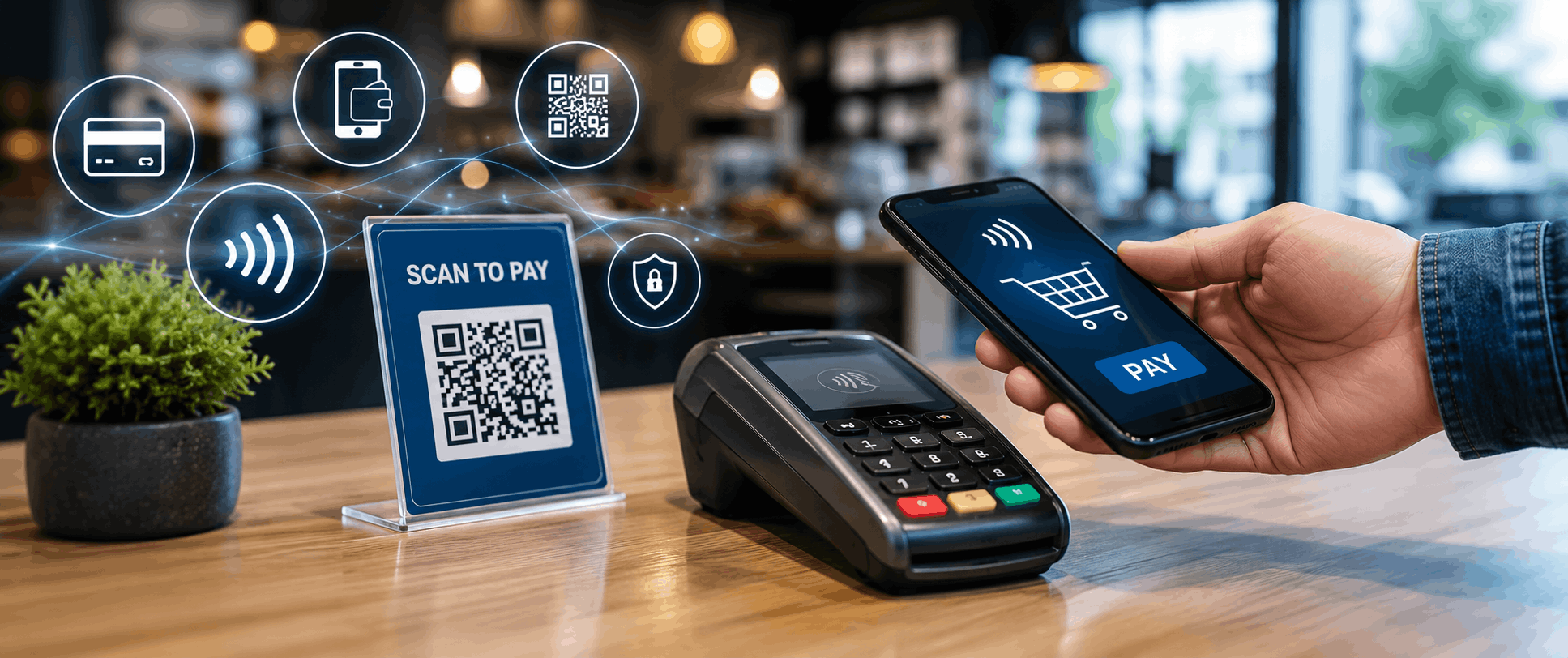
The Rise of Cashless Payments: Transforming the Future of Customer Transactions
Understanding Cashless Payments
Cashless payments refer to any transaction completed without the exchange of physical currency. Instead, payments are processed electronically through secure digital systems.
Common forms of cashless payments include:
- Credit and debit cards
- Mobile payment applications
- Contactless payment technology
- QR code payments
- Digital wallets
- Online payment gateways
- Bank transfers
The goal of cashless technology is to create a faster, more convenient, and secure payment experience for both customers and businesses.
Additional forms of cashless payments include:
- Prepaid cards
- Gift cards
- Travel cards
- Corporate prepaid cards
- Transit and metro cards
- Salik-linked payment services
- Mobile phone credit payments
These payment methods continue to expand the cashless ecosystem by providing customers with greater flexibility and convenience when completing everyday transactions.
Prepaid and stored-value payment solutions continue to play an important role in the cashless economy. Examples include gift cards, travel cards, corporate prepaid cards, student cards, and transit cards. These solutions provide convenience while helping users manage spending and access services efficiently.
See Also: What Is a Self-Service Payment Kiosk? Unveiling the Future of Transactions
The UAE has also demonstrated how digital payment ecosystems can extend beyond traditional retail transactions. Salik-linked services have shown how integrated payment platforms can simplify transportation and parking-related payments while improving user convenience.
Another innovative payment method involves the use of mobile phone credit. In certain situations, customers can pay for services directly through their mobile account balance. This method is commonly used for services such as parking payments and provides an additional layer of flexibility for users.
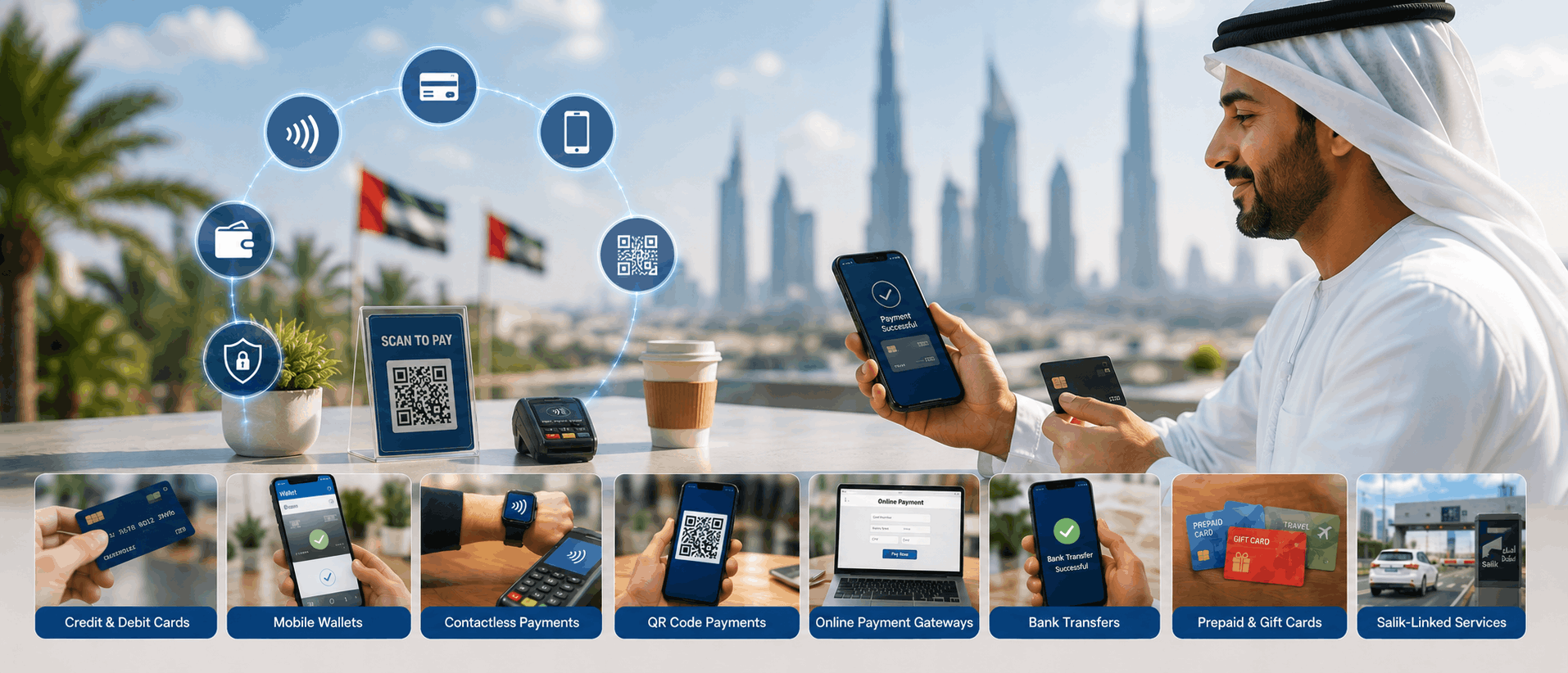
Understanding Cashless Payments
Why Businesses Are Moving Toward Cashless Transactions
Consumer behavior continues to evolve as digital technologies become more integrated into daily life.
Modern customers prioritize convenience and efficiency. They expect payment methods that allow them to complete transactions quickly without carrying cash or waiting for manual processing.
Businesses are responding by implementing payment solutions that reduce friction and improve the overall customer journey.
The transition toward cashless payments provides several operational and customer service advantages that directly impact business performance.
See Also: How to Choose the Right Self-Service Payment Kiosk?
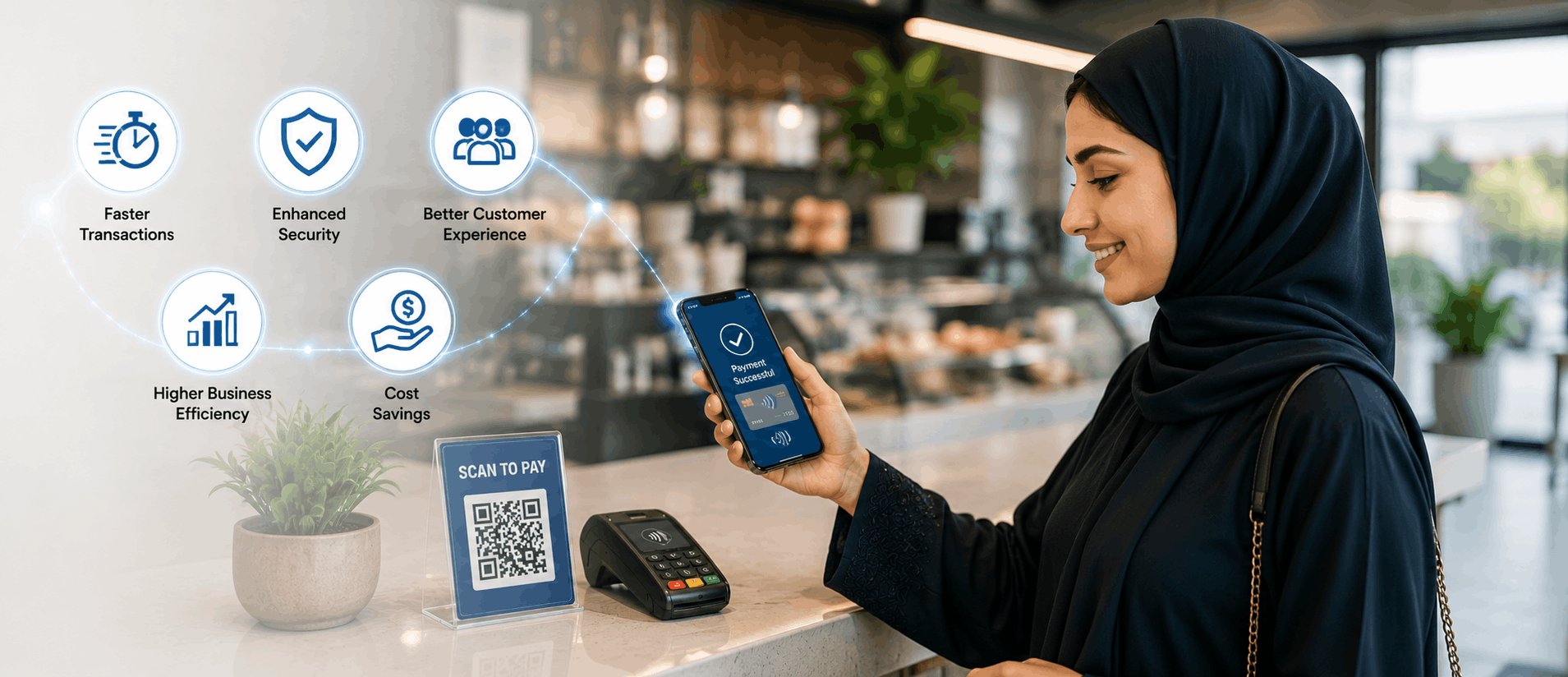
Why Businesses Are Moving Toward Cashless Transactions
Cashless Payments in the UAE: Building a Digital Economy
The UAE continues to establish itself as one of the world’s leading digital economies through its commitment to innovation and smart government initiatives. Across both the public and private sectors, digital payment solutions are becoming an essential part of everyday life.
Dubai, in particular, has accelerated the adoption of cashless payment technologies as part of its broader digital transformation strategy. Through initiatives led by Dubai Digital and other government entities, the emirate has announced its ambition to become approximately 90% cashless by the end of 2026.
This vision reflects the growing importance of digital payments in creating seamless customer experiences, increasing operational efficiency, and supporting economic growth. From retail stores and restaurants to transportation and government services, cashless payments are becoming the preferred method of transaction throughout the UAE.
As customer expectations continue to evolve, businesses that adopt modern payment solutions will be better positioned to align with the country’s digital future.
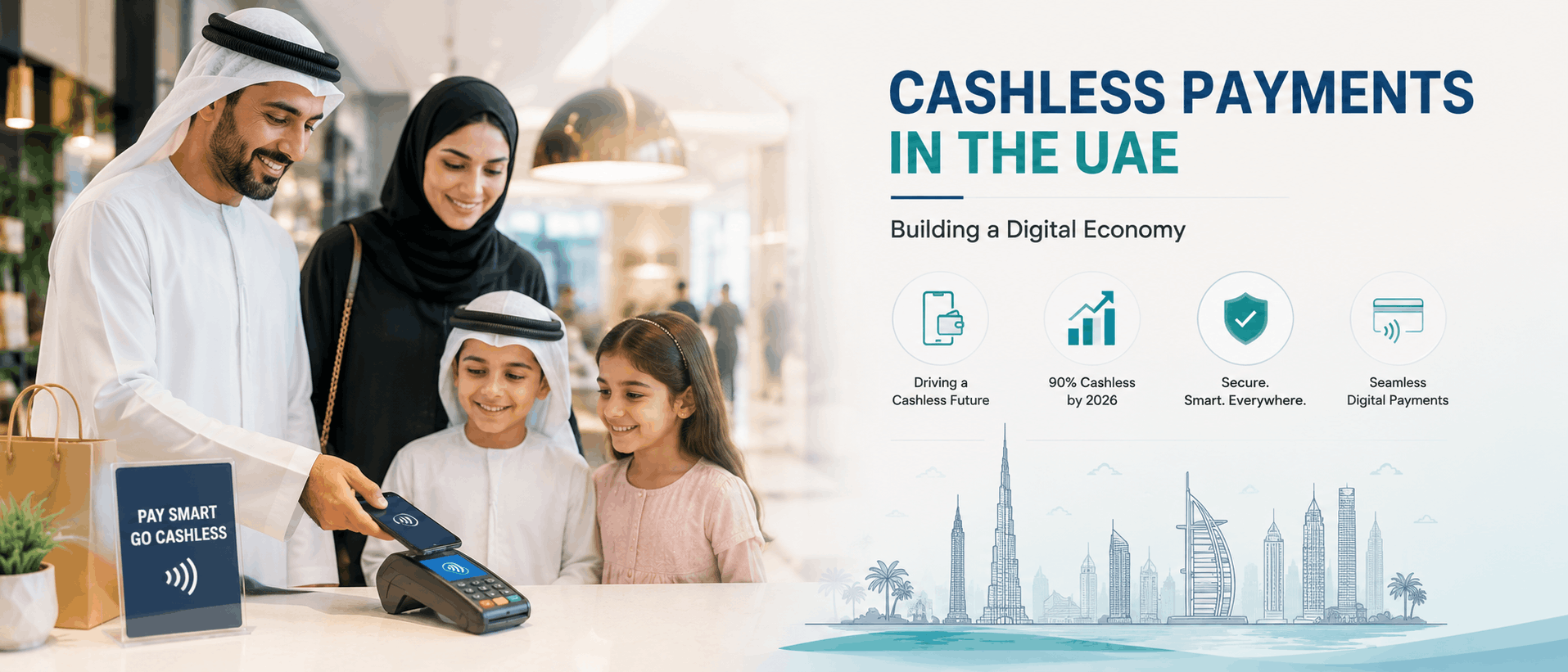
Cashless Payments in the UAE: Building a Digital Economy
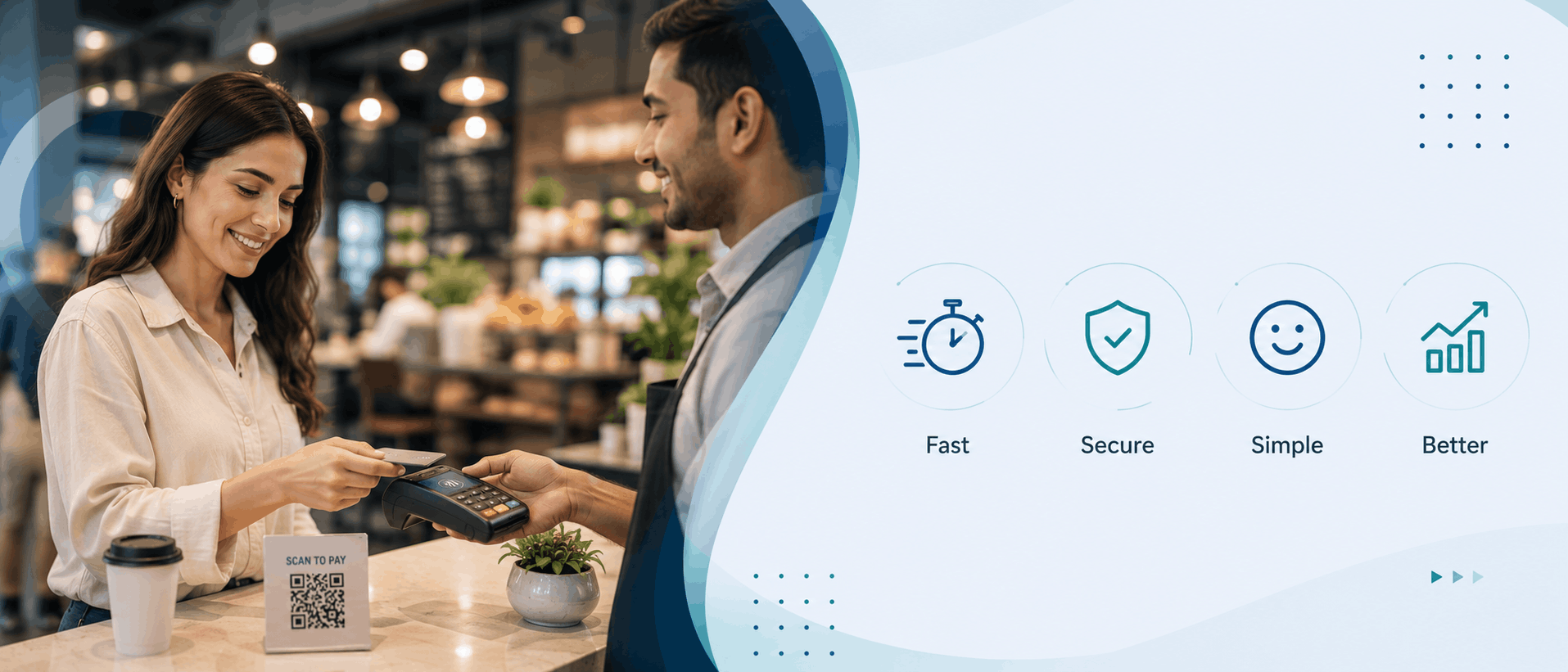
Faster Transactions and Improved Customer Experience
One of the most significant benefits of cashless payments is speed.
Traditional cash transactions often require employees to count money, provide change, verify amounts, and manage cash drawers. These additional steps can increase transaction times and contribute to longer queues.
Cashless payment solutions streamline the entire process.
Customers can simply tap a card, scan a QR code, or use a mobile wallet to complete transactions within seconds.
Faster transactions lead to:
- Reduced waiting times
- Improved customer satisfaction
- Increased service efficiency
- Higher transaction capacity
For businesses that experience high customer volumes, these improvements can have a substantial impact on daily operations.
See Also: Adopting Self-Service Payment Kiosks for Government Services
Faster Transactions and Improved Customer Experience
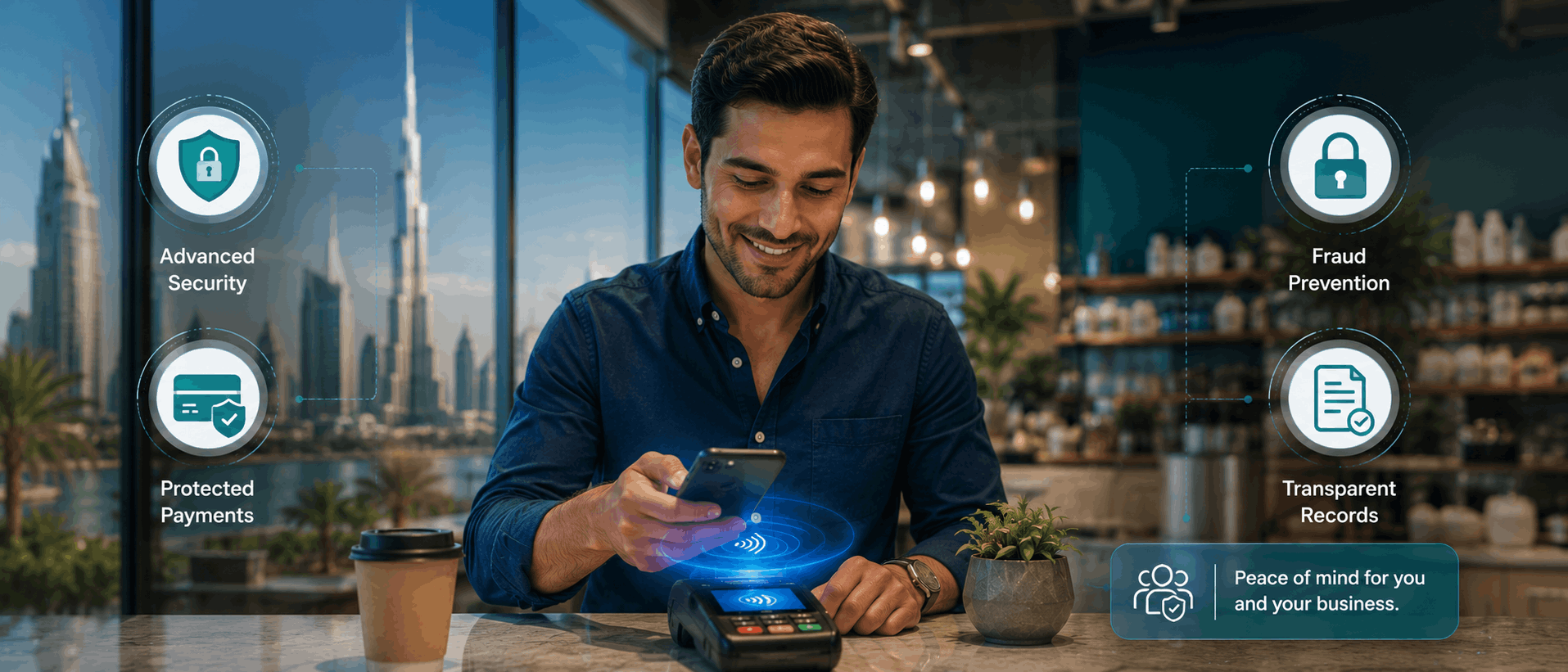
Enhanced Security for Businesses and Customers
Security remains a major consideration for organizations managing financial transactions.
Handling large amounts of cash presents several challenges, including theft risks, counting errors, and cash management costs.
Cashless payment systems help mitigate many of these concerns by reducing dependence on physical currency.
Advanced encryption technologies, secure payment gateways, tokenization, and authentication protocols help protect sensitive transaction data.
For customers, digital payments provide peace of mind through secure transaction records and fraud protection measures.
For businesses, cashless solutions reduce exposure to risks associated with cash handling and storage.
See Also: Self-CheckIn Kiosks: Enhancing Privacy and Security for Users
Enhanced Security for Businesses and Customers
Operational Efficiency and Cost Reduction
Beyond improving customer experiences, cashless payment systems contribute significantly to operational efficiency.
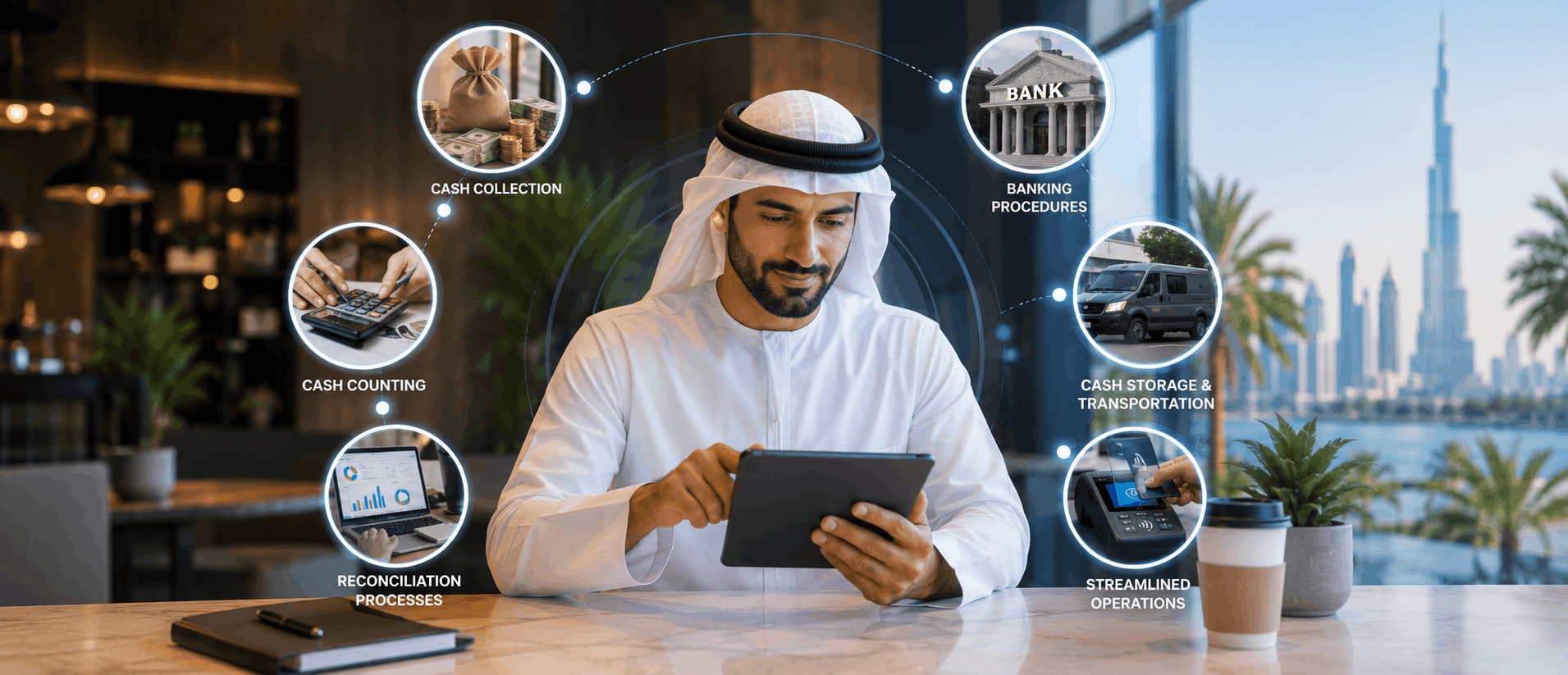
Businesses that rely heavily on cash transactions often invest considerable time and resources in:
- Cash collection
- Cash counting
- Reconciliation processes
- Banking procedures
- Cash storage and transportation
By reducing cash dependency, organizations can streamline these processes and lower operational costs.
Employees can spend less time managing transactions and more time focusing on customer service, business growth, and strategic initiatives.
Operational Efficiency and Cost Reduction
Supporting Digital Transformation
Digital transformation is reshaping industries worldwide.
Organizations are increasingly investing in technologies that improve service delivery, optimize operations, and enhance customer engagement.
Cashless payment solutions play a critical role in this transformation.
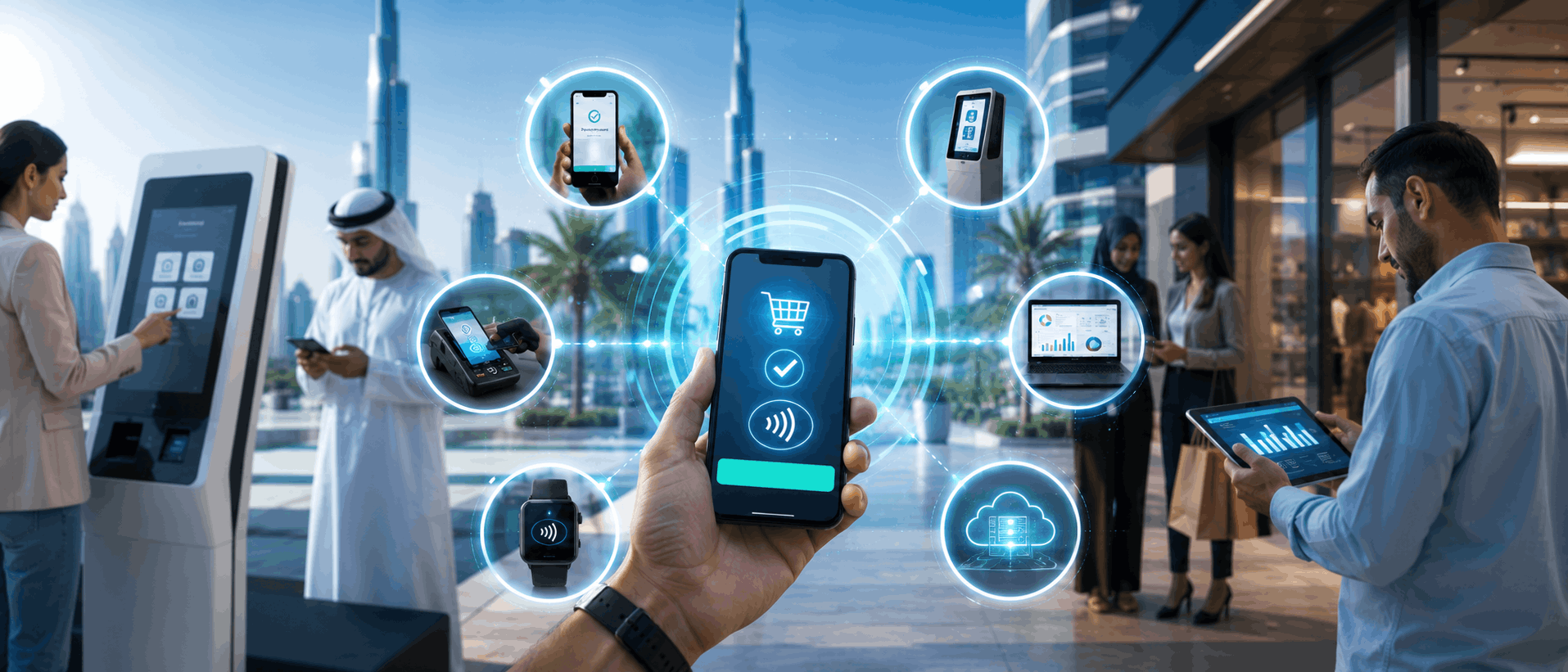
When integrated with self-service kiosks, mobile applications, customer portals, and enterprise systems, cashless technologies create a seamless and connected customer experience.
These integrations allow businesses to collect valuable transaction data, improve reporting capabilities, and make more informed business decisions.
See Also: Integrating AI in Payment Kiosks for Enhanced User Experience
Supporting Digital Transformation
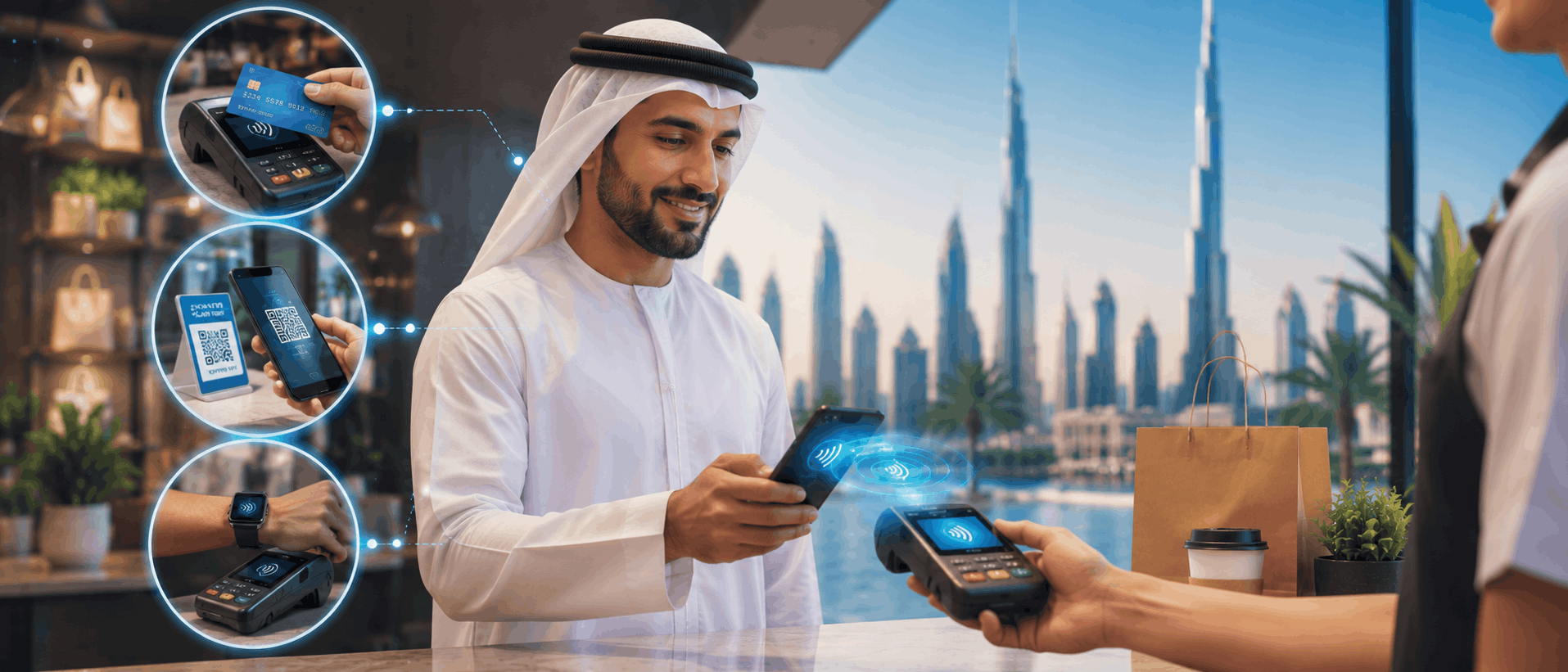
The Growing Demand for Contactless Payments
One of the fastest growing segments within the cashless payment landscape is contactless technology.
Customers increasingly prefer payment methods that allow them to complete transactions with minimal physical interaction.
Contactless cards, mobile wallets, and QR-based payment solutions offer a convenient and efficient alternative to traditional payment methods.
The widespread adoption of contactless payments reflects a broader shift toward frictionless customer experiences that prioritize convenience and speed.
The Growing Demand for Contactless Payments
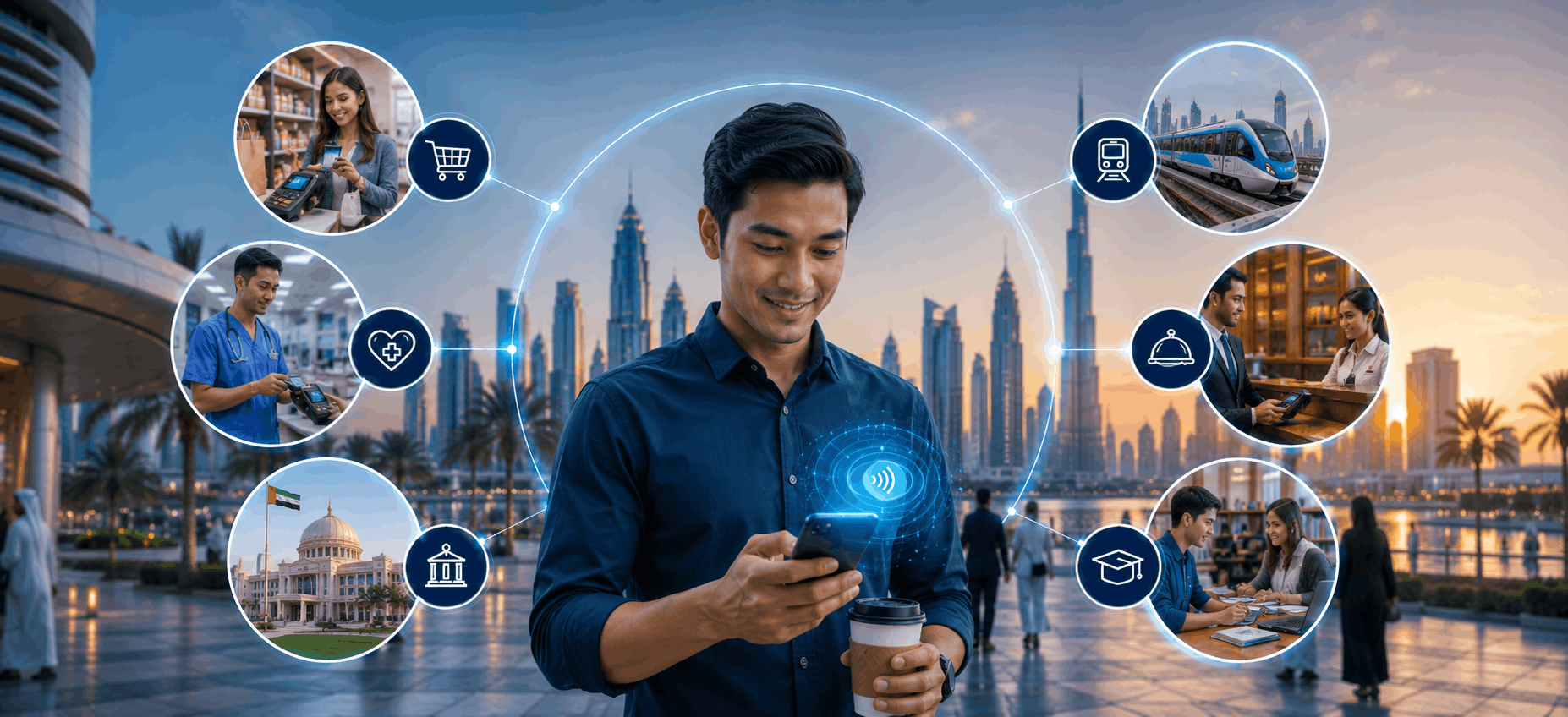
Industries Benefiting from Cashless Payment Solutions
Cashless payments are delivering value across a wide range of industries.
- Retail: Faster checkout processes and improved customer convenience.
- Healthcare: Simplified payment collection and reduced administrative burden.
- Government Services: Efficient fee collection and improved citizen experiences.
- Transportation: Seamless ticketing and fare payment systems.
- Hospitality: Enhanced guest experiences through convenient payment options.
- Education: Efficient collection of tuition fees and service payments.
As payment technologies continue to evolve, organizations in virtually every industry can benefit from adopting modern cashless solutions.
See Also: The Role of Payment Kiosk in Streamlining Retail Transactions
Industries Benefiting from Cashless Payment Solutions
Cryptocurrency Payments and Emerging Technologies
As digital payment technologies continue to evolve, cryptocurrency has emerged as an area of growing interest within the global payments landscape.
Cryptocurrencies such as Bitcoin, Ethereum, and stable coins are increasingly being explored as alternative payment methods by businesses and consumers alike. While adoption levels vary depending on regulations and market demand, cryptocurrencies demonstrate how payment technology continues to advance beyond traditional financial systems.
Blockchain-powered transactions offer potential advantages such as transparency, security, and decentralized payment processing. Although cryptocurrency payments are not yet as widely adopted as traditional digital payment methods, they remain an important development that businesses should monitor as part of the future evolution of commerce.
Organizations that stay informed about emerging payment technologies will be better positioned to adapt to changing customer preferences and future market opportunities.

Cryptocurrency Payments and Emerging Technologies
Looking Ahead
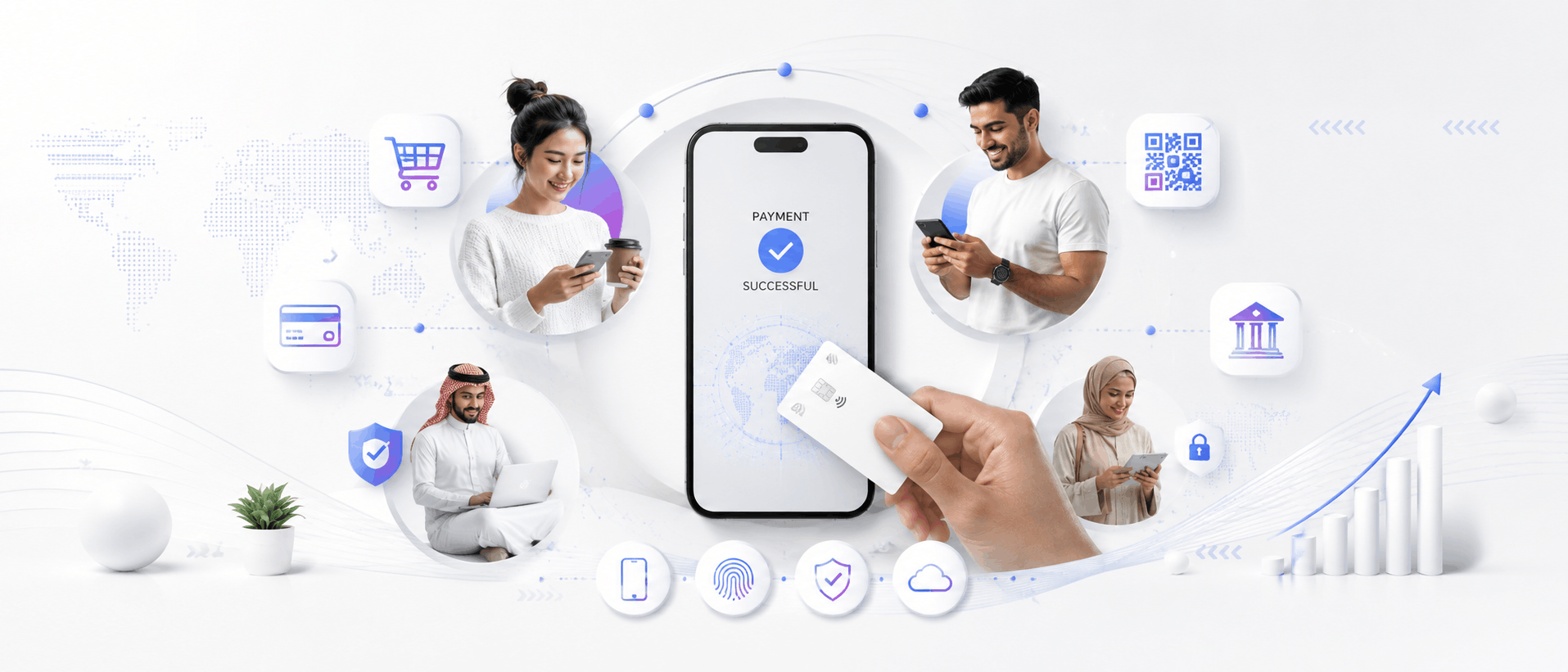
The future of payments is increasingly digital.
Consumers are embracing technologies that offer greater convenience, flexibility, and security. Businesses that adapt to these changing expectations will be better positioned to remain competitive and deliver exceptional customer experiences.
Cashless payment solutions are no longer simply a trend they represent the next stage in the evolution of commerce and customer service.
Organizations that invest in cashless technologies today are preparing themselves for a future where digital transactions become the standard rather than the exception.
See Also: Analyzing the Impact of Payment Kiosks on Consumer Behavior
Looking Ahead
Conclusion
Cashless payments are transforming how businesses and customers interact. By improving transaction speed, enhancing security, reducing operational costs, and supporting digital transformation initiatives, these solutions deliver measurable benefits across industries.
As customer expectations continue to evolve, organizations that embrace cashless payment technologies will be better equipped to provide efficient, secure, and customer-focused services.
The move toward a cashless future is already underway, and businesses that act now can position themselves at the forefront of innovation and growth.